Anthropic's Reported $3.4 Billion Generator Deal Puts AI's Power Constraint in Focus
A reported arrangement for 1.7 gigawatts of gas-fired generating equipment shows why securing electricity has become a capital-intensive part of the AI infrastructure race.
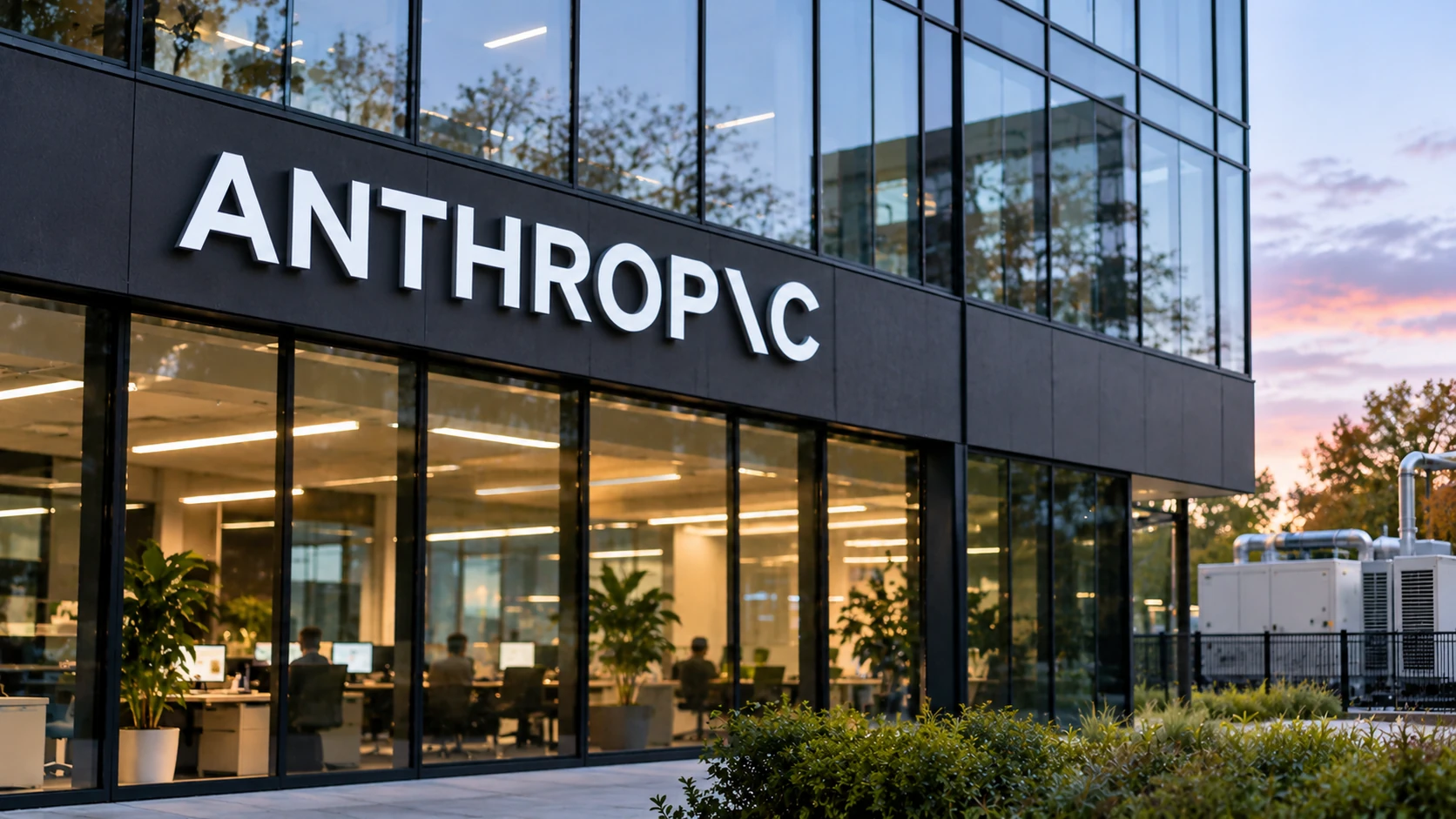
Anthropic has reportedly agreed to pay about $3.4 billion to secure commitments for gas-fired generating equipment with a combined capacity of 1.7 gigawatts, a deal that would take the maker of Claude deeper into the physical infrastructure needed for artificial intelligence. The Financial Times reported the transaction on Sunday, November 8, citing a person familiar with it. Reuters and Bloomberg separately reported the FT's account, but neither established an independent confirmation of the transaction's full terms. Anthropic and the supplier, OnePWR Solutions, had not provided public confirmation in the reporting reviewed here.
For investors, the significance lies in what the reported purchase is designed to secure: equipment and the engineering capacity to install it, rather than just a long-term contract to purchase electricity. AI companies can expand their models and sell more computing services only if data centers have enough reliable power to operate. That makes the timing of grid connections, generators, cooling equipment and construction as important as orders for specialized chips.
What the reported agreement covers
According to the FT, Anthropic took over commitments for 1.7 GW of Caterpillar gas-fired generators previously placed by OnePWR Solutions, a supplier based in San Antonio, Texas. The agreement reportedly dates to late September, although the story became public on November 8. OnePWR itself was not acquired, and its employees did not transfer to Anthropic. The reported arrangement also covered some engineering and construction capabilities needed to put the generating equipment in service.
The distinction is material. Purchasing a company would transfer ownership of its entire business, with its assets, obligations and workforce. Taking over equipment orders instead puts Anthropic closer to the supply chain for power generation without necessarily owning the original supplier. The report did not establish that all of the generators have been delivered, installed or connected to data-center loads.
FT reporting indicated that equipment availability was a central motive. In a market where large industrial generators can take years to manufacture, control over existing orders may shorten the wait. Some equipment could arrive sooner, while other deliveries are reportedly spread over the coming two years. Those schedules should still be treated as reported estimates, not certified completion dates for operating data centers.
What 1.7 gigawatts means and what it does not
A headline capacity of 1.7 GW is equivalent to 1,700 megawatts of nameplate generation. It describes the combined rated output of the equipment, not proof that the same amount of electricity is already available around the clock. Actual use depends on fuel supply, maintenance, construction progress, grid integration, environmental permits and the demands of the facilities being served.
Those distinctions matter because AI infrastructure spending is often presented as one aggregate number. The actual investment chain includes land, electricity, server buildings, networking, cooling and computing hardware. TTN Finance previously explained that data-center electricity requirements can constrain AI projects as directly as chip supply. The reported Anthropic agreement puts a price on one part of that challenge.
Why AI companies are moving closer to energy equipment
A traditional data-center developer may rely on a utility to expand transmission capacity and provide a grid connection. A company facing a long queue for new power can instead examine a mix of contracted generation, on-site equipment and other infrastructure arrangements. None of these approaches eliminates permitting requirements or the costs of delivering fuel and managing emissions. They change which party bears some of the construction, financing and operational risks.
Gas-fired generators offer dispatchable capacity, an attractive characteristic for power-hungry facilities, but they also introduce fuel-price exposure and environmental questions. A proposed generator installation does not show that a utility connection has been cancelled, that emissions approvals have been granted or that the equipment will operate continuously. The FT report did not identify every location where the generators would be used, making site-specific claims inappropriate.
Where the reported deal fits in Anthropic's plans
TTN Finance has examined how AI capital spending competes with future returns, while its CoreWeave financing analysis illustrates how debt can amplify infrastructure risk.
Reuters has previously reported that Anthropic expected to spend hundreds of billions of dollars on infrastructure over the next decade. Such long-range plans are forecasts or commitments, not completed investment. The reported $3.4 billion generator agreement is notable because it concerns one identifiable class of assets and a concrete supplier relationship, subject to the confirmation limits described above.
The next facts that would matter
The strongest follow-up would be confirmation from Anthropic or OnePWR of the transaction structure, any delivery timetable and the scope of the installation work. Other useful evidence would include power-generation permits, announced sites and details about the financing and operation of the equipment. The reported contract amount is significant, but readers should resist treating it as proof that 1.7 GW of usable data-center power has already come online.
The larger lesson is that the AI buildout increasingly depends on physical industries that cannot expand at software speed. Securing orders for generators may help an AI developer control part of its schedule, yet it transfers additional execution risk into the company's investment program. Until more contractual details are public, the Financial Times account is best presented as a credible reported agreement rather than a completed and independently verified infrastructure deployment.