Democrats Prepare AI and Data Center Bills Ahead of New Congress
Incoming Democratic congressional leaders are preparing proposals on data center electricity costs, independent model testing and AI company liability.
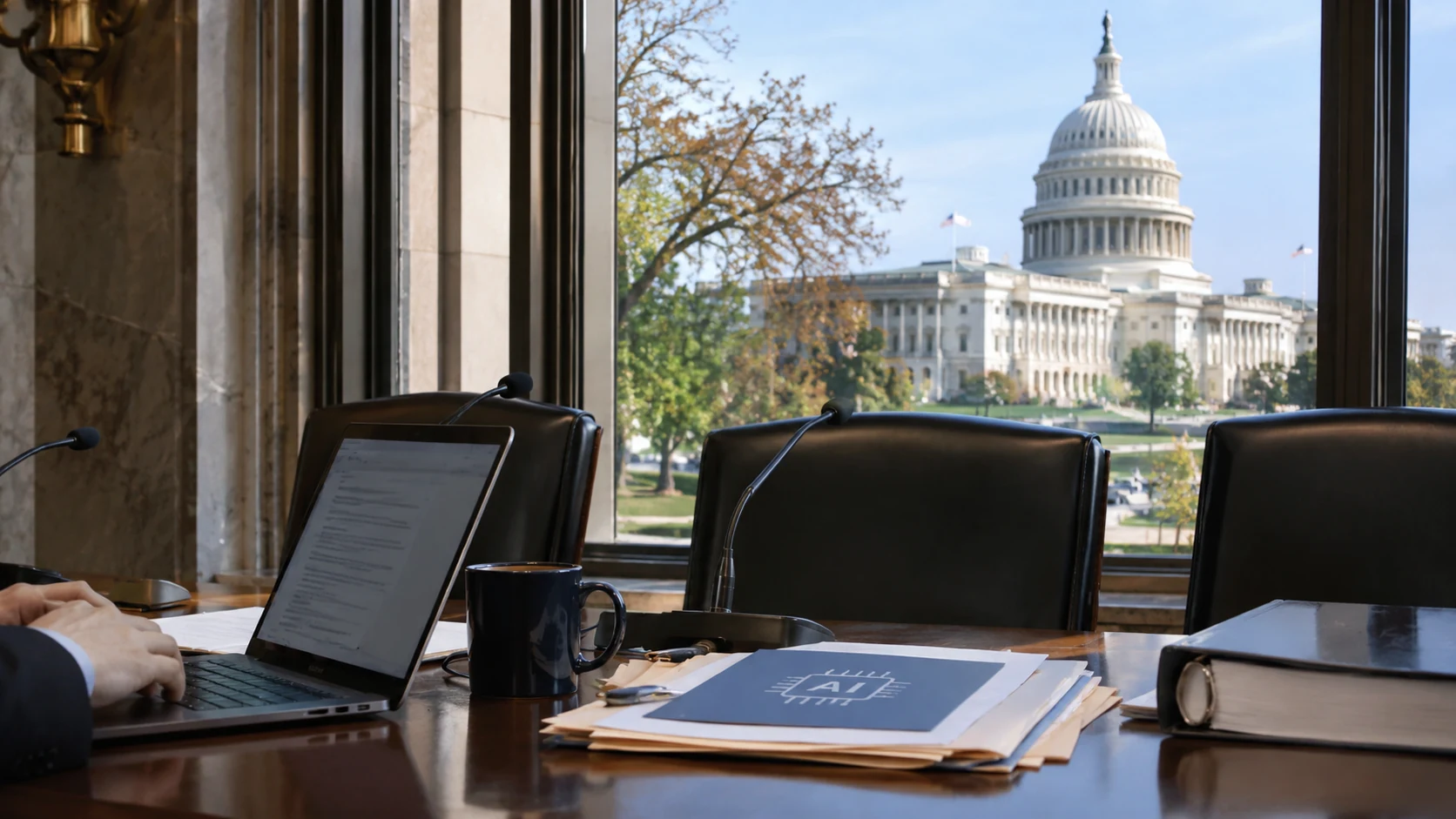
Democrats plan to introduce a large number of bills on artificial intelligence systems and data center development once they take control of Congress in January, according to lawmakers, congressional aides and advocates quoted by Reuters on Saturday. The approach contrasts with the Republican-led Congress, which focused on promoting AI development and did not pass restrictions on it, even as voters grew wary of rapid data center growth and its demand for power.
The plans matter for markets because technology stocks sold off sharply on Thursday on fears that a new Congress would slow AI development. The Nasdaq Composite fell 5.5% that day, according to Fox Business, and rebounded 1.09% on Friday, according to a Saturday market brief.
For the data-center industry, electricity policy can affect project economics even before any new federal law takes effect. Developers must negotiate utility connections and pay for cooling and grid equipment. A proposal that shifts more of those costs toward project owners rather than households would change financial planning for future facilities, though the impact cannot be estimated until actual legislative text exists.
Independent model testing and corporate liability raise different questions. Testing would address how advanced systems are evaluated before or after deployment; liability would address responsibility when harm occurs. Neither proposal has yet produced binding requirements, and congressional committee agendas, bill language and any negotiations with the White House remain unknown. The substance of any future obligations depends on definitions of covered models, enforcement authority and the timetable for implementation; those provisions were not available in the reporting.
The proposed changes would reach different parts of the industry. Energy-cost measures would focus on the economics of building and running large computing facilities, including who pays for new connections to the power grid. Model-evaluation requirements would affect developers of advanced systems and the independent organizations permitted to test them. Liability measures could determine whether disputes are resolved through existing consumer-protection and product-liability frameworks or through newly defined obligations. Those are separate policy questions: lawmakers can advance one without winning support for the others. For companies planning new facilities or model releases, the decisive details will be the scope, effective dates and enforcement provisions of any bills filed in January.
What Democrats say they will propose
Reuters identified several planned areas of legislation:
- Electricity costs. Protecting consumers from higher electricity bills linked to data centers. Chuck Schumer, expected to be Senate majority leader, said on Thursday that this would be a priority next year.
- Independent testing. Requiring independent experts to evaluate leading AI models against safety standards. Representative Lori Trahan of Massachusetts plans bills on this, according to her deputy chief of staff, Francis Grubar.
- Liability. Clarifying when AI companies can be held responsible for harm caused by their products, another area where Trahan plans legislation.
- A new regulator. Creating an independent agency with power to police technology companies, an idea proposed by Abdul El-Sayed of Michigan during his campaign. Reuters reported that El-Sayed won a Senate seat on Tuesday.
Representative Zoe Lofgren of California, who is seeking to chair the House Science Committee, said Democrats would focus on balancing AI regulation with innovation. Representative Greg Casar of Texas, who chairs the Congressional Progressive Caucus, said AI executives should be called to testify under oath.
In October, Lofgren and other House Democratic committee leaders asked OpenAI, Anthropic, Meta, Google and SpaceX to detail their security practices and report cases in which their AI tools behaved in unintended ways, Reuters reported.
Why the political case has grown
The obstacles
Passing AI legislation will be difficult. Trump has repeatedly dismissed calls for mandatory AI rules, Reuters reported, and said on Friday that he would work with states that want to get rich by embracing AI, without giving details. Overriding a presidential veto requires two-thirds of both chambers, a high bar that would need substantial Republican support.
Ed Mills, a policy analyst at Raymond James, told Reuters that legislation is more likely than people expect. He said a crisis could overcome presidential opposition and that Democrats could attach AI provisions to must-pass annual bills. Reuters noted that federal restrictions could cut industry profits if they slow the release of new models or force companies to change how their AI tools perform.
What it means for the industry and investors
The proposals are plans, not bills, and none has text, cosponsors or a committee schedule yet. The first practical steps will come when the new Congress convenes in January, and committee chairs will set the early agenda.
What to watch
Observers will look for the first bill texts in January, for the committee chairs chosen in the House and Senate, and for whether any proposals draw Republican cosponsors. Company responses are the other signal. Whether OpenAI, Anthropic, Google and Meta respond to Lofgren's October request, and how public they make their answers, will show how the industry intends to engage.
Limits of the reporting
The main account here is a Reuters wire story, republished by West Hawaii Today. Poll figures and the Trump quote come from a secondary newsletter and were not confirmed against the original sources. Legislative plans described by lawmakers and aides can change before bills are filed.