Microsoft Reportedly Winds Down Oracle AI Capacity Deal as Chip Needs Change
Microsoft is reportedly winding down rented Oracle AI capacity as requirements shift; neither company confirmed the contract details.
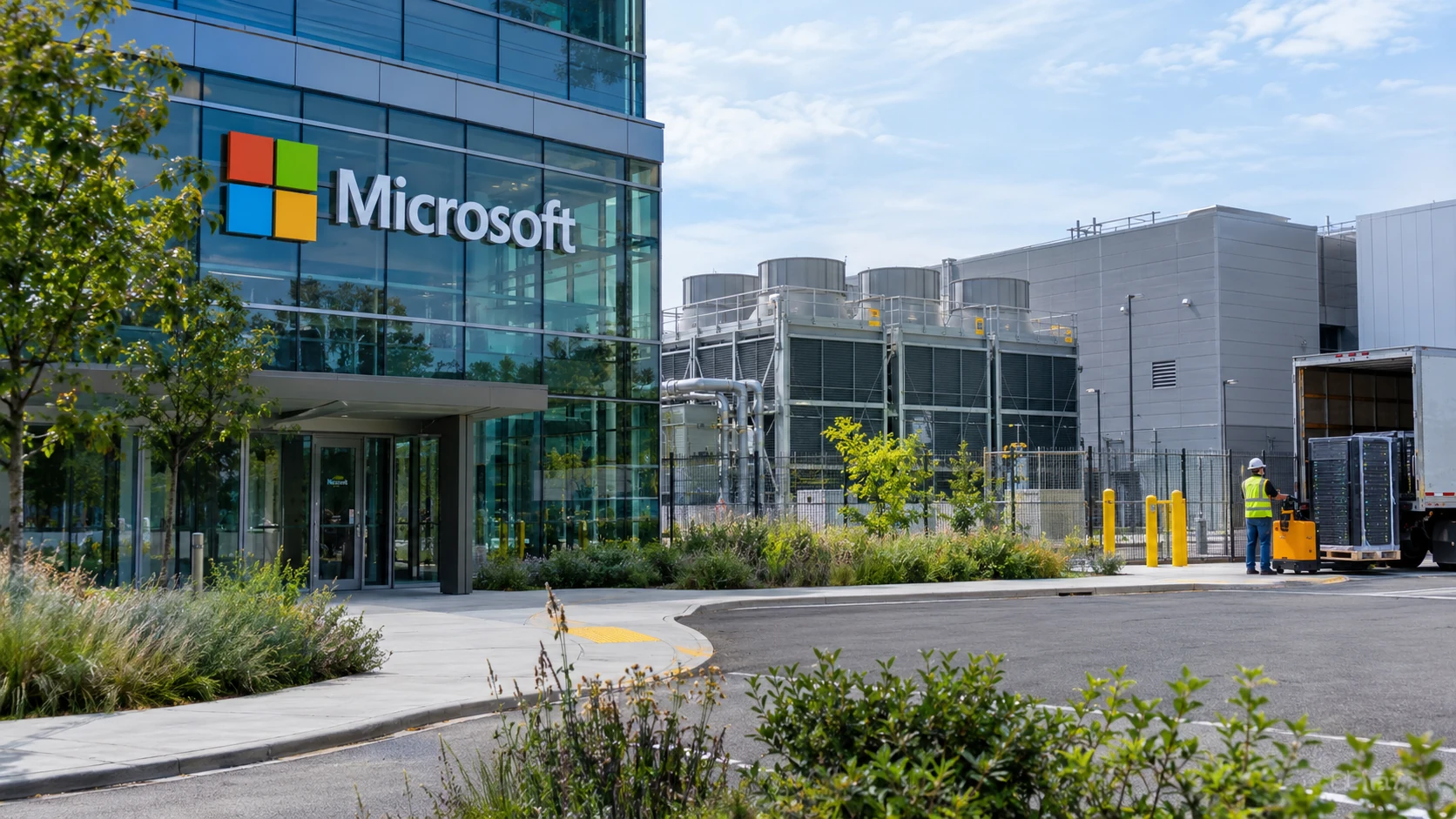
Microsoft is reportedly winding down an arrangement to rent artificial intelligence computing capacity from Oracle, according to a Bloomberg News report cited by Reuters on November 6. The reported decision reflects a change in the specifications Microsoft requires from its computing infrastructure, rather than a confirmed abandonment of AI investment as a whole.
According to the report, Microsoft had been turning off some of the rented capacity over recent months and declined to renew the arrangement. The Oracle systems used older-generation Nvidia chips that were becoming less suitable for Microsoft's evolving workloads. Neither company had immediately commented on the report at the time of Reuters' publication.
The distinction between a report based on unnamed sources and a company-confirmed contract termination is important. The publicly available account does not establish the full value of the agreement, the amount of capacity affected or whether other Oracle-related commercial relationships will change. Any detailed estimate of lost contract revenue would therefore be speculative.
A capacity agreement can become obsolete before the hardware does
Cloud computing agreements are often discussed as if every unit of contracted capacity were interchangeable. AI workloads make that assumption increasingly difficult. The value of a computing cluster depends on chip architecture, memory bandwidth, networking, software compatibility, power efficiency and the demands of the models running on it.
A system that was appropriate for a particular training or inference workload can become less competitive when new accelerators appear or software architecture changes. That does not necessarily mean the equipment stops functioning. It means the buyer may find that another configuration delivers better performance for the cost, power consumption or operational constraints involved.
In AI infrastructure, the timing of this transition matters. Companies finance and build data centers on schedules that can run longer than a single generation of accelerator hardware. Customers, meanwhile, are under pressure to improve model capabilities and reduce the cost of serving users. Contract renewal decisions therefore can become a test of how effectively providers manage technological obsolescence.
The Microsoft-Oracle report is a specific example of that tension. It does not demonstrate that all older Nvidia equipment lacks demand or that Oracle's entire AI cloud business is suffering the same problem.
Why Oracle investors reacted
Reuters reported that Oracle shares declined following the news, while Microsoft's stock was little changed. Share-price reactions reflect investor expectations, not a direct accounting measure of contract losses. Without the agreement's financial terms, analysts cannot determine how much of Oracle's forecast revenue, margins or cash flow was tied to the affected capacity.
There are nevertheless clear business questions. If a data-center operator has already purchased hardware to serve a long-term customer, a reduction in contracted demand can leave equipment that must be redeployed, repriced or carried for longer than initially planned. The operator may still be able to sell access to other customers, but replacement demand and margins are not guaranteed.
Operating costs also continue after installation. Data centers require electricity, cooling, maintenance and networking. Depreciation and financing obligations can weigh on earnings even when utilization falls. These characteristics make the economics of AI infrastructure different from simply selling software licenses.
For investors, the information that matters most will be Oracle's future disclosures about remaining performance obligations, cloud revenue growth, capital expenditure and the utilization of newly delivered facilities. None of those measures should be inferred from a single report about one rental arrangement.
Microsoft is reassessing a complex supply chain
Microsoft sources computing resources through its own infrastructure and external relationships. That diversified approach can offer flexibility when model architectures or commercial requirements shift. It also creates coordination challenges around hardware standards, availability and how much capacity must be secured ahead of demand.
A decision not to renew one capacity contract may indicate improved bargaining power or a preference for newer accelerators. It could also reflect a specific product or workload transition. The Reuters account does not provide enough evidence to select a single explanation as definitive.
A broader reassessment of billions of dollars in AI-related partnerships, as reported by Bloomberg, fits an industry-wide debate about the economics of rapid infrastructure expansion. Large technology companies have continued to invest heavily, but they must determine which projects meet the requirements of workloads that can evolve far faster than physical construction schedules.
The result may be an increasingly segmented cloud market. Premium clusters equipped with the newest chips can serve demanding applications, while older clusters may remain viable for smaller models, less time-sensitive jobs or customers with different cost requirements. That possibility does not remove price pressure, and it makes efficient redeployment an important part of cloud operations.
Other delays show the importance of execution
In separate reporting on November 6, Reuters said AI infrastructure provider IREN had experienced changes to network requirements requested by Microsoft, delaying some project deliveries. IREN shifted a target for bringing more than $4 billion of annualized revenue capacity online from year-end to January, with a potential further delay into late February.
These facts concern a different company and should not be merged into the Oracle rental story as if they describe one canceled project. They do, however, illustrate a related operational issue: configuring large AI computing systems depends on details beyond securing chips and land. Network design, power readiness, hardware installation and customer acceptance can each change delivery schedules.
An annualized revenue capacity target is also not the same as revenue already earned. It describes a potential run rate based on capacity assumptions and is subject to actual deployment, commercial arrangements and utilization.
The next phase of the AI infrastructure debate
The investment case for data-center operators increasingly depends on both customer demand and how quickly they can adapt infrastructure to changing technical specifications. A headline value for planned capacity is insufficient without contract duration, renewal terms and the operator's ability to redeploy equipment.
Customers face their own tradeoffs. Locking in capacity can provide certainty when chips are scarce, but rigid commitments can become costly if newer hardware offers superior economics. More flexible sourcing may reduce that risk while introducing uncertainty about access to infrastructure when demand accelerates.
Investors should therefore distinguish contracted capacity, installed capacity, revenue-generating capacity and actual cash generation. These are related but not identical measures. Heavy capital expenditure can support future growth and still create near-term pressure on free cash flow.
The reported Microsoft decision is a useful warning against assuming that every multiyear AI cloud contract will remain equally valuable throughout its term. The report has not established a collapse in demand for AI computing, nor has it quantified Oracle's direct financial exposure. It has highlighted a more fundamental issue: the commercial life of AI hardware can be shorter than the financial commitments required to install it.