
A polished Duesenberg can make restoration look like a question of finish. The harder work is deciding what the finished car represents. Which chassis is it? Who built the body? What changed during its life, and which evidence supports the condition in which it is presented now?
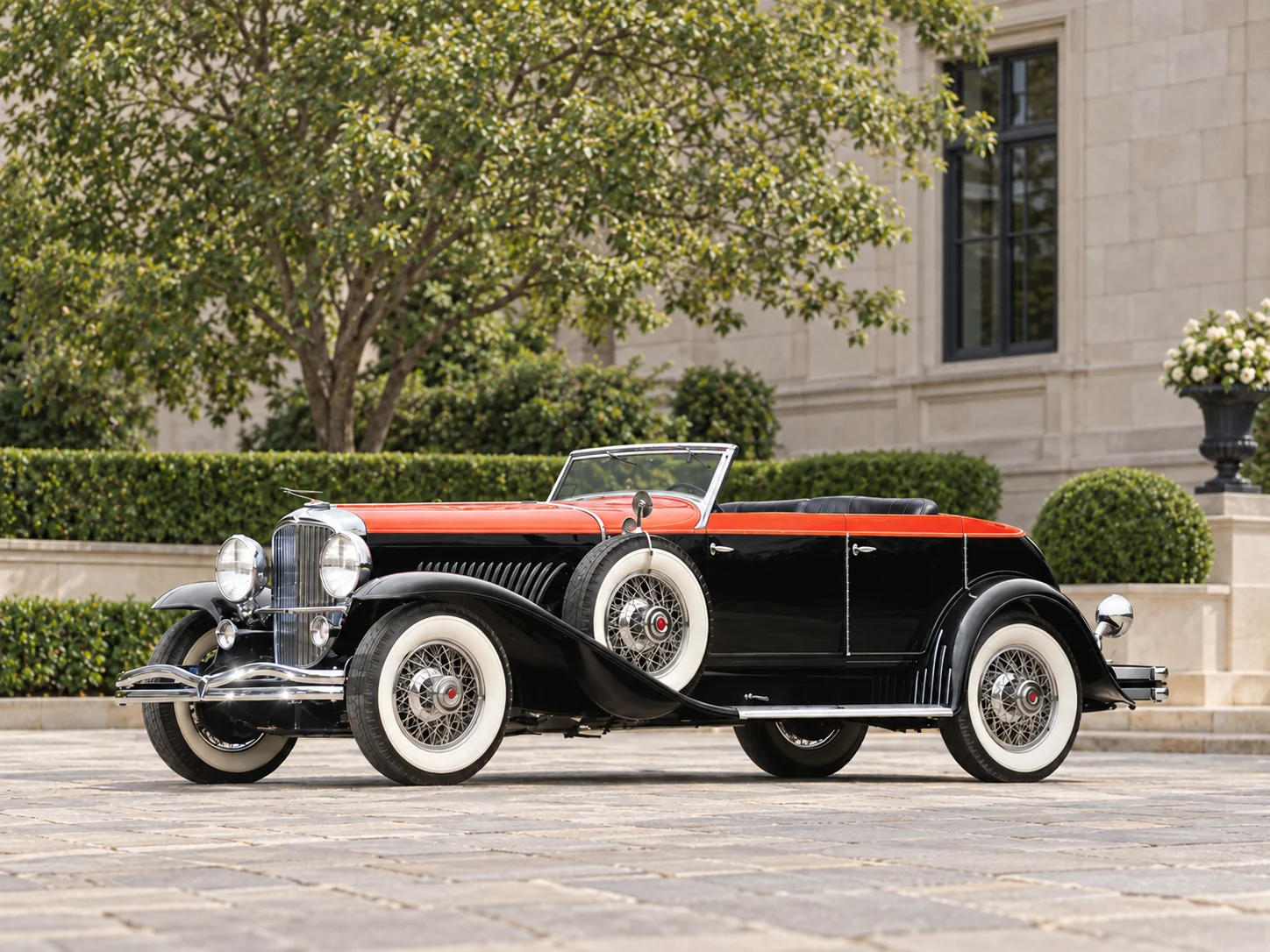
A documented example gives those questions somewhere concrete to begin. RM Sotheby's 2011 catalog identifies this 1934 Model J as a Riviera Phaeton by Brunn, chassis 2550. It records a black body with orange upper panels and a black interior after a 2006 restoration associated with Fran Roxas and Brian Joseph. That account describes a particular vehicle, not every Duesenberg.
Identity comes before perfection
The same catalog records an engine history involving the original J521 and the later J440. That is the kind of detail a glossy photograph cannot settle. A car can be beautifully restored while containing a significant replacement, and a replacement does not erase the need to understand the rest of its history.
For a reader or buyer, the useful approach is to follow the record across dates. Compare identifiers, older photographs, invoices and specialist descriptions. Look for agreement between them, and distinguish a documented change from an assumption repeated in successive descriptions. An attractive story becomes stronger when its complications remain visible.
Coachwork is part of the automobile's identity
A Model J description needs more than the manufacturer's name and a year. The coachbuilder and body style define the form people actually see. The Riviera Phaeton's open body, long hood, sweeping fenders and side-mounted spares belong to this example's documented configuration.
That makes the choice of illustration consequential. A different convertible body or a contrasting roof may produce an appealing vintage image, but it cannot establish how this Brunn-bodied car was built. Here the image follows the specific catalog vehicle and is clearly identified as an illustration.
Restoration should leave a record
A useful restoration file explains the work behind the finish: what was retained, what was repaired, what was replaced and why. It should connect decisions about materials and appearance with evidence, rather than implying that an expensive process necessarily produced historical accuracy.
Mechanical work deserves the same transparency. A reliable touring car and a tightly documented show car can involve different priorities. Neither goal licenses hiding a change. The owner should understand how the car has been prepared and which maintenance, operating procedures and limitations follow from that choice.
Time and expenditure help describe a restoration only when the records explain them. A total number of workshop hours cannot establish accuracy on its own. The useful evidence connects each significant decision with the car's documented configuration and the work actually completed.
What to ask before valuing the result
Ask for the provenance file and a condition assessment from someone familiar with this kind of coachbuilt automobile. Keep historical identity, present condition and intended use as distinct questions. A past auction result is a dated transaction, not a promise about the next sale.
The most persuasive restoration does not merely look complete. It makes the path to that appearance understandable. With a Duesenberg, preserving that explanation is part of preserving the car.
Sources & image references
Researched analysis, updated October 13, 2026. Manufacturer figures and catalog accounts are identified in the article.
Keep exploring