Amazon’s Globalstar Deal Clears FCC Review in Satellite-to-Phone Push
The roughly $11.6 billion acquisition advances, but closing and Amazon’s planned direct-to-device constellation remain separate milestones.
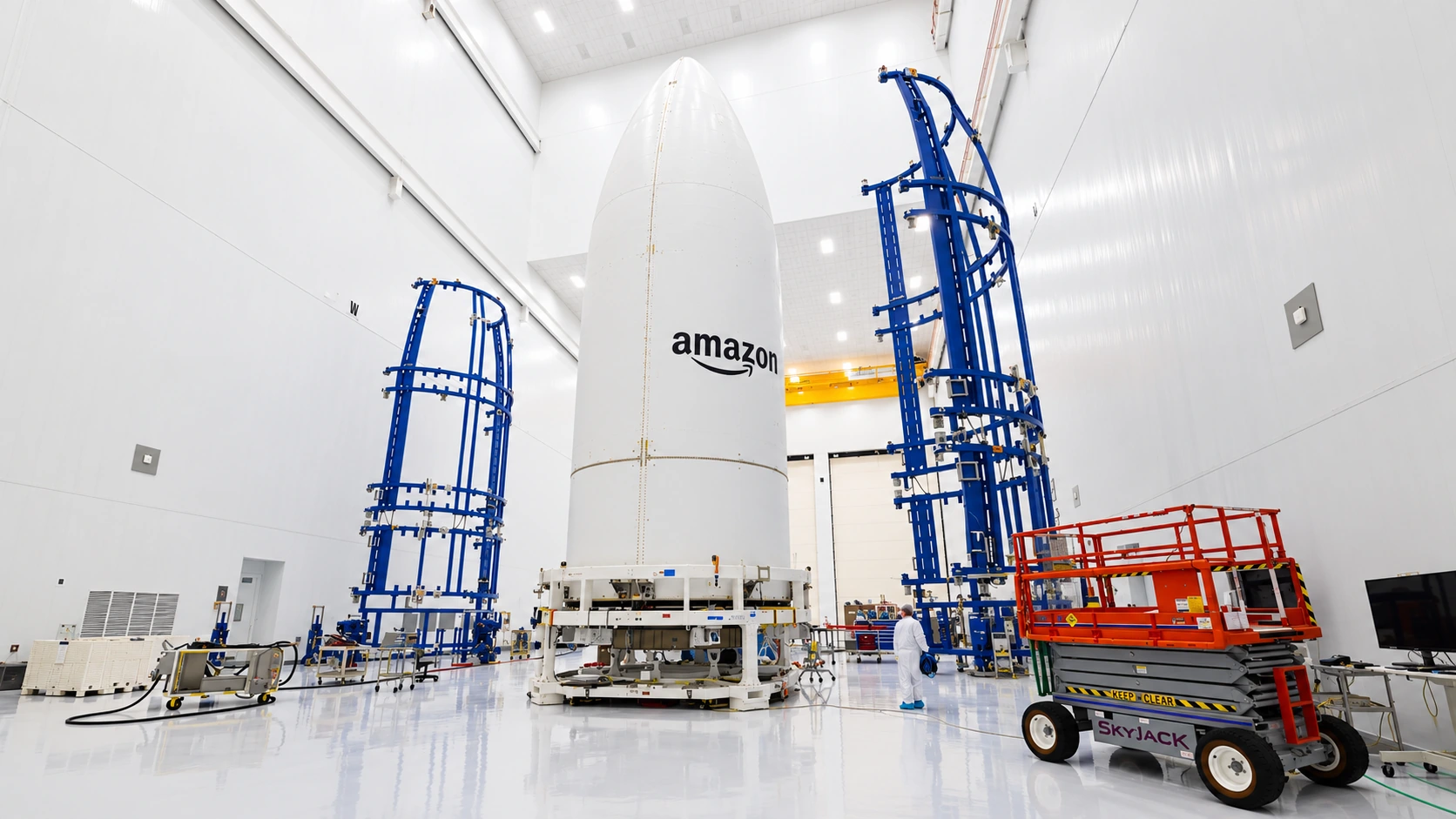
Amazon's plan to expand satellite connections to mobile devices cleared a major regulatory hurdle on Tuesday when the Federal Communications Commission approved its acquisition of Globalstar. Reuters reported the decision on the roughly $11.6 billion transaction, which would add satellite operations and mobile-satellite spectrum to Amazon Leo's connectivity business.
The approval advances a deal announced in April; it is not evidence that the acquisition has closed or that a new phone service is available today. Amazon's original agreement set an expected 2027 closing, subject to conditions including regulatory approvals and specified replacement-satellite milestones. Those conditions make the distinction between approval and completion important for both customers and shareholders.
Fierce Network reported that Amazon thanked the FCC for approving the transfer of control of Globalstar's licenses. The company described the decision as a step toward new connectivity capabilities but did not provide a closing date to the publication. Our merger analysis explains why clearing a regulatory hurdle and completing the operational combination are different stages of an acquisition.
The scarce asset is more than a satellite fleet
Globalstar brings established mobile-satellite operations, infrastructure and spectrum authorizations. Amazon's original announcement identified those assets as a foundation for direct-to-device services, which connect compatible mobile equipment to satellites. Acquiring an operating system and its rights can shorten some development work, but it does not make every component of two networks immediately interchangeable.
Spectrum is especially significant because radio services need permission to use particular frequencies under defined conditions. Owning hardware alone does not establish the right to transmit everywhere or to provide every kind of service. Network performance also depends on satellite capacity, ground infrastructure, compatible devices and the systems that coordinate customer connections.
Amazon's broader plan is to work with mobile network operators and other partners. That commercial approach puts the emphasis on filling coverage gaps and extending existing communications services. It does not mean satellites replace every terrestrial tower. Dense urban traffic, remote coverage and emergency messaging present different engineering and business requirements, even when all are described loosely as mobile connectivity.
Apple's existing services and Amazon's future system are distinct
Globalstar already supports satellite features for compatible Apple devices. In April, Amazon and Apple announced an agreement intended to continue those services and support future capabilities. That existing relationship gives the transaction a recognizable consumer connection, but it should not be described as an immediate switch of every iPhone to an entirely new Amazon network.
Amazon's original announcement envisaged deployment of its own next-generation direct-to-device system beginning in 2028. Fierce reported on Tuesday that a separate application for a constellation of up to 5,105 satellites remains pending. Approval of the acquisition therefore should not be confused with approval, launch or activation of that entire proposed constellation.
The distinction is similar to the one in our coverage of SpaceX's reported wireless infrastructure talks: an infrastructure strategy, a commercial agreement and an operating service are separate developments. Customers need confirmed device compatibility, coverage and service terms before the practical value of a new network can be assessed.
The transaction still has an execution timetable
Amazon's April terms offer Globalstar shareholders an election between cash and Amazon shares, subject to limits and proration. That structure makes the transaction more complicated than a fixed cash payment arriving immediately after one approval. The remaining conditions and the time until closing still matter to the investment calculation.
Our explanation of merger spreads describes how timing and completion risk can affect a target company's trading price. Tuesday's FCC decision removes a specific obstacle, but it does not justify treating every remaining condition as fulfilled or every planned service as commercially proven.
The next concrete milestones are completion of the transaction, progress on the separate network authorizations and deployment of usable capacity. For Amazon, the strategic opportunity is to combine a large technology and infrastructure business with Globalstar's existing satellite capabilities. The commercial test will be reliable service that reaches customers on clear terms, rather than the size of the announced deal alone.
Sources and methodology
Sources checked October 27, 2026. Company statements, reported findings and forecasts are attributed in the text. Financial and operational implications are editorial analysis.