Binance Investigates Security Incident as Stablecoin Issuers Freeze Billions
Tether and Circle froze more than $2.38 billion, Reuters reports. Binance says user funds are safe; the cause and final financial impact remain unconfirmed.
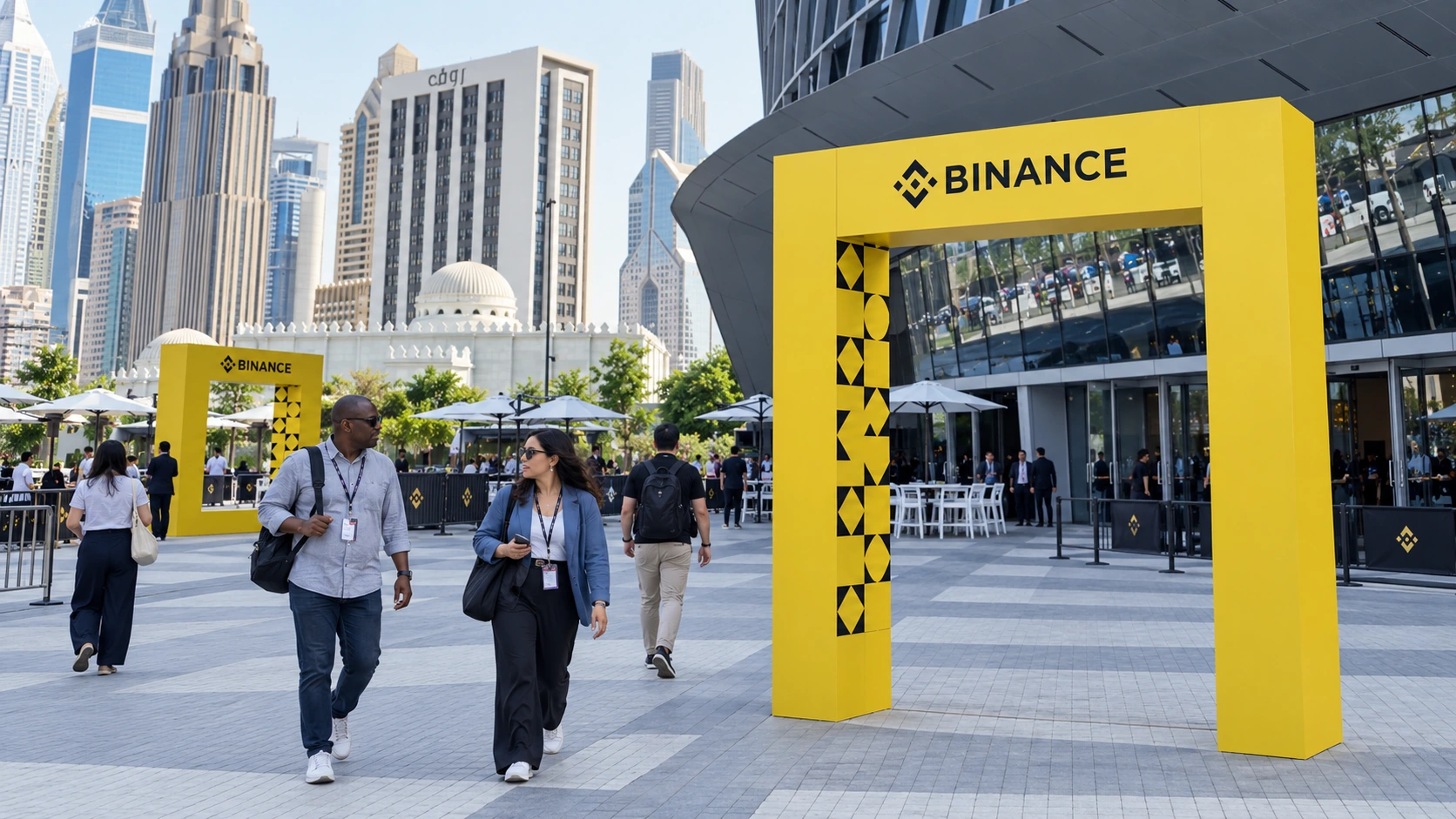
Binance said Thursday it was investigating a potential security issue as stablecoin issuers moved to restrict billions of dollars in associated tokens. The exchange said user funds were safe, while the cause of the suspicious activity and its final financial impact remained unconfirmed in the public information reviewed for this report.
Reuters reported that Tether and Circle froze more than $2.38 billion combined, including nearly $1.57 billion in Tether-issued tokens and more than $800 million from Circle. Binance.US, a separate exchange, said it was unaffected. Those statements describe restrictions on assets and the companies’ positions, rather than an independently completed accounting of losses.
The immediate distinction is between preventing further movement and returning assets to their rightful owner. A freeze can constrain what happens next without proving how an incident started, who controlled an address or when money will be recovered. It should not be described as a completed reimbursement to Binance or its customers.
Competing transfer estimates are not a final loss total
The Block reported approximately $3.55 billion in incoming transfers to an unlabeled wallet, with nearly $900 million subsequently moved onward. It also cited a larger estimate of up to $5.8 billion from Coinbase executive Conor Grogan. Separately, security firm Blockaid said it was investigating about $3.3 billion in suspicious outflows across several networks.
These estimates describe different observations and scopes. Money entering one address, funds later leaving it and assets identified across several networks cannot automatically be added together. The same assets may appear at more than one point along their route. Nor should the largest circulating figure be treated as the exchange’s confirmed net loss.
Binance co-founder Changpeng Zhao said the activity appeared to be a hack and that he expected user funds to be fully covered, The Block reported. He also stated that he no longer manages Binance.com. His assessment and expectation are relevant, but they are distinct from a completed forensic report or a formal reimbursement mechanism announced by the operating company.
The exchange’s statement that customer funds are safe is likewise an assurance from Binance. Public transfer data can identify movements, but it cannot by itself establish every customer balance, the exchange’s internal accounting or the resources available to meet its obligations. Those questions require evidence beyond the value displayed in a receiving wallet.
Why stablecoin issuers can intervene
Circle’s published token software illustrates how an issuer-controlled restriction can work. Its blacklist component allows a designated administrative role to mark accounts, while its transfer functions check whether the sender or recipient is restricted. Those controls are part of the token system; they do not require the issuer to control the private key of the flagged wallet.
That software explains the general mechanism, not the precise technical cause of Thursday’s incident. An address restriction is also different from pausing an entire blockchain. Other assets at the same address can have different transfer rules, so freezing a stablecoin balance does not establish that every asset associated with the activity has been immobilized.
The distinction complements TTN’s explanation of stablecoin backing and redemption. A token can be designed to maintain a dollar value while also carrying operational controls over transferability. Price stability, access to funds and the legal process for recovering assets are separate features of the system.
The unresolved issue is the path from containment to recovery
An exchange security investigation has several financial stages: identifying unauthorized activity, limiting additional movement, reconciling the assets involved and establishing who bears any remaining shortfall. Announcing progress at one stage does not establish that the others are complete. The size of the reported freezes makes containment important even while the total remains unsettled.
TTN’s reporting on CoinDCX’s separately disclosed wallet loss shows why an identified cause and a stated allocation of losses matter. It does not establish that the same technical failure occurred at Binance. Thursday’s available statements do not support attributing this incident to a particular vulnerability, insider or national group.
The next substantive evidence will be Binance’s verified account of the activity, a reconciled asset total and details of any recovery or customer impact. Until those emerge, the defensible description is an active investigation accompanied by major stablecoin freezes, with the final scope still open. This report reflects statements checked late on October 29 UTC.
Sources and methodology
Sources checked October 29, 2026. Official decisions, company statements and reported findings are attributed in the text. Financial and operational implications are TTN editorial analysis.
- Reuters, October 29 at 22:26 UTC: issuer freezes, Binance statement and Binance.US distinction
- The Block, October 29: attributed transfer estimates, security investigation and co-founder comments
- Circle official token software: administrative address restrictions
- Circle official token software: transfer checks for restricted addresses