Trump removes 50% tariff from some Canadian goods, adds others to the list
Changes effective October 30 spare selected plywood, packaging and machinery while adding other products. Importers still face overlapping duties.
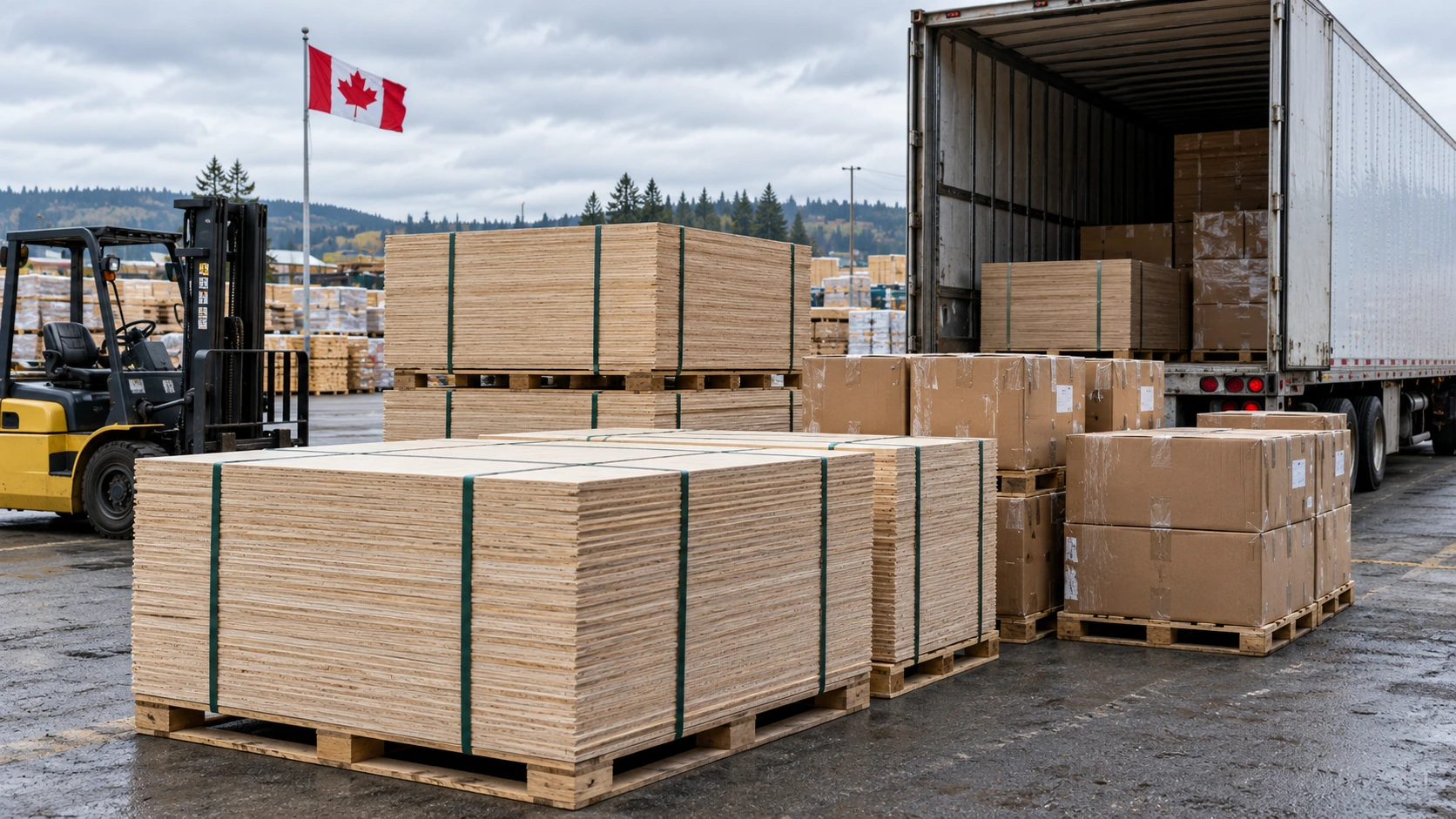
President Donald Trump has removed an additional 50% U.S. tariff from selected Canadian products while extending the same duty to others, reshaping the cost of cross-border trade without ending the dispute. The proclamation signed October 23 takes effect on October 30. For businesses buying Canadian materials, the immediate question is which side of the revised product list their imports occupy.
The White House identifies selected plywood sheets, paper products, packaging, machinery and refrigeration equipment among the removals. Certain valves, carpets and waste products join the covered list. These changes create winners and losers within supply chains, rather than a uniform reduction in the cost of importing from Canada. The distinction matters before a buyer assumes a familiar product category has become cheaper.
The customs code determines the result
The order's Annex I divides products into removals and additions using Harmonized Tariff Schedule classifications. Its descriptions illustrate the categories; the document specifically says they do not define the legal scope. For plywood, the listed distinctions include thickness, face wood and surface covering. A business importing a different specification cannot infer an exemption merely because its order also contains plywood.
The packaging removals include designated plastic containers, corrugated cartons and paper bags. Selected packing and wrapping machinery also appears. On the additions side, the annex includes numerous sweetened cocoa-powder classifications as well as industrial items. The changes therefore reach beyond lumber and beyond the automotive dispute that originally prompted this particular tariff action.
The annex also preserves a qualification for civil-aircraft articles and parts meeting the tariff schedule's relevant criteria. That exception illustrates why classification details matter more than a broad sector label. A supplier's description, customs treatment and the rule's exceptions must line up before an importer can establish its actual exposure under the revised schedule.
October 30 is an entry date, not an order date
The proclamation applies the changes to goods entered for consumption, or withdrawn from a warehouse for consumption, at or after 12:01 a.m. Eastern on October 30. Placing a purchase order earlier does not by itself establish the tariff treatment. The relevant customs event and the applicable classification govern the change, rather than the date a company first agreed to buy the goods.
For companies holding inventory on both sides of that date, the economic effects can arrive unevenly. Previously imported stock may carry a different landed cost from a later shipment of the same product. Whether that difference appears in selling prices, margins or inventory values depends on contracts and business decisions. Our explanation of who pays a tariff follows those costs from the importer through the supply chain.
The 50% figure describes the additional Section 338 duty affected by this action. Removing it does not establish that an item enters entirely free of other duties. The White House says covered Section 338 tariffs operate regardless of whether goods qualify under the U.S.-Mexico-Canada Agreement and apply alongside Section 232 tariffs. Different legal measures therefore need to be checked separately.
Lower costs for an importer need not mean lower prices immediately
Consider a hypothetical buyer whose shipment has a customs value of $100,000 and falls within a removed classification. Eliminating a 50% additional duty would remove $50,000 from that particular charge, before considering other applicable measures. This is an arithmetic illustration, not an estimate of the savings across Canadian trade or a promise about the price a customer will pay.
A distributor may already have paid the higher duty on existing stock. A supplier might renegotiate its price, and freight costs can move independently. Those factors help explain why a policy change and a shelf-price change need not coincide. The difference between producer costs and final prices is relevant when assessing whether tariff relief reaches households.
The administration presents the action as a response to Canadian discrimination against U.S. commerce. That is its stated justification for the measure, rather than evidence that negotiations have produced a settlement. Friday's proclamation revises an existing list and leaves the underlying tariff mechanism in place. It does not announce a comprehensive bilateral trade agreement.
For investors, the useful next evidence will come from companies identifying affected purchases, updated landed costs and changes to their guidance. As with other inputs to an earnings report, a favorable policy headline needs to be translated into a company's actual exposure. October 30 changes the rules for specific goods; contracts and inventory will determine how quickly the financial effects become visible.
Sources and methodology
Sources checked October 24, 2026. Reported findings and company or regulatory statements are attributed in the text; discussion of financial implications is editorial analysis. The generated cover is illustrative.