South Korea Exports Jump 93.7% on AI Chip Demand
South Korean exports rose 93.7% in October as AI chip orders surged, but the calendar effect means the headline needs context.
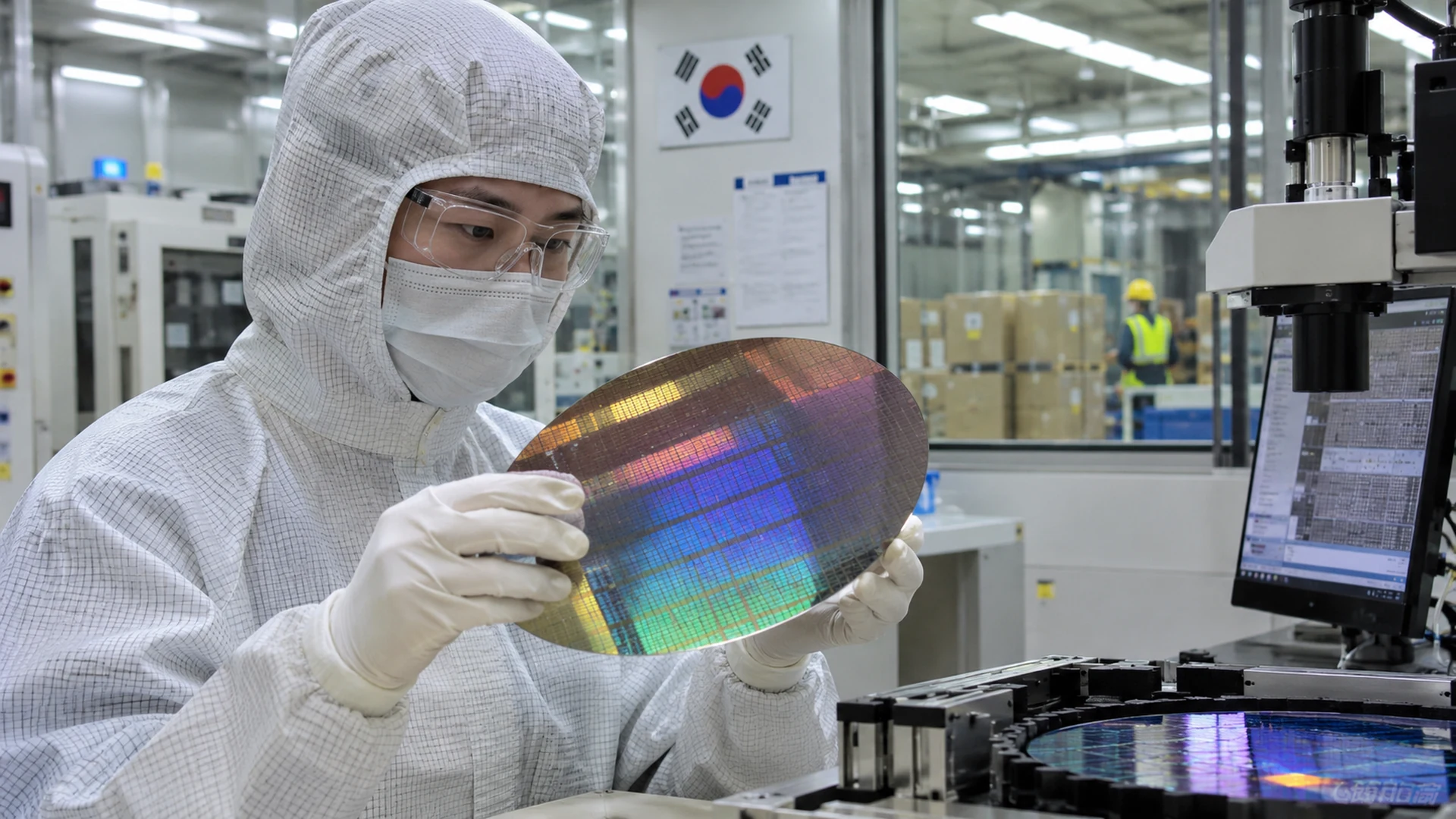
South Korea reported a striking increase in exports for October 2026, highlighting how rapidly investment in artificial intelligence is changing the composition of global trade. Overseas shipments rose 93.7% from a year earlier to $115.28 billion, according to figures reported by Reuters and attributed to the country's trade ministry. The increase was the strongest annual rate since January 1974, exceeding the median forecast in a Reuters survey.
Related TTN Finance coverage: NVIDIA.
The headline figure points to vigorous international demand for semiconductors and computers, but it requires careful interpretation. The comparison with October 2025 was also affected by the timing of the Chuseok holiday, which resulted in a different number of working days. A large year-on-year percentage change therefore reflects both underlying commercial demand and a favorable calendar comparison. Treating the full 93.7% as a pure measure of AI investment would overstate what the data show.
Chips account for an extraordinary share of growth
Semiconductor exports rose 259.4% from a year earlier to $56.44 billion, while computer exports increased 496.6%, according to the Reuters report. The technology categories benefited from strong global demand linked to artificial intelligence infrastructure, including servers and advanced memory and processing components used in large computing systems.
The export performance is consistent with the wider emphasis on AI infrastructure spending among large technology companies. South Korea occupies a crucial position in the semiconductor supply chain, with companies such as Samsung Electronics and SK Hynix supplying memory products required for data centers and advanced computing. When demand for AI servers accelerates, the effects can spread from chip producers to component manufacturers, equipment suppliers and logistics networks.
That relationship does not mean every dollar of semiconductor exports should be described as AI-related. Memory, logic chips and other semiconductor products have uses across consumer devices, industrial systems and conventional computing. Even so, the scale of the increase in chips and computers indicates that technology demand was a major contributor to October's export strength.
The calendar effect and the importance of the base
Annual growth rates are sensitive to the amount of activity in the comparison period. The Chuseok holiday shifted the number of available business days between the two Octobers, and the Reuters survey already anticipated an exceptionally large rise. The reported 93.7% increase only modestly exceeded the 93.2% median estimate.
That small difference matters for financial interpretation. A record-looking figure does not automatically represent a major positive surprise if economists had already incorporated the holiday effect and strong chip demand into their forecasts. The market response depends on expectations, the detailed export mix and the implications for future company profits, not merely on the size of the annual percentage.
More durable signals include absolute export values, semiconductor shipment volumes, pricing conditions and the trend over several months. South Korea reported September exports of more than $110 billion as well, suggesting that October's result occurred in the context of an already strong trade environment rather than as an isolated monthly spike.
Imports, the trade surplus and domestic demand
Imports increased 36% year over year to $72.78 billion, Reuters reported. The trade balance remained strongly positive at approximately $42.5 billion, although that surplus was narrower than September's roughly $49.97 billion. Imports can rise for several reasons, including the purchase of manufacturing equipment, energy products and inputs used by domestic industries.
A widening export sector can support domestic production and corporate earnings, but the broader macroeconomic effect also depends on prices, imports and investment needs. Higher energy costs or capital equipment purchases can increase the import bill even as overseas sales strengthen. In addition, a large merchandise trade surplus is not identical to an equally large increase in national income or government revenues.
For policymakers, the data offer evidence of external demand at a time when the global economy is adjusting to major technology investment. The sustainability of that demand will depend partly on whether customers continue expanding AI data-center capacity and whether suppliers can increase output without an abrupt weakening of prices.
What the figures mean for investors
The immediate beneficiaries of an AI-driven semiconductor cycle include chip manufacturers and selected suppliers of equipment, materials and manufacturing capacity. South Korea's export statistics provide a broad gauge of those industries, but they are not a substitute for company-level analysis. Revenue growth can coexist with higher operating expenses, capital spending or volatile profitability.
Investors should watch both shipment values and pricing. A rise in exports can reflect more units sold, higher prices or a combination of the two. Those sources of growth have different implications for margins and for the duration of the cycle. An expansion led by temporary price increases could reverse more quickly than one supported by durable capacity utilization and long-term customer demand.
The country's position in the global supply chain also makes its trade releases useful outside Korea. Export orders can provide an early signal about the behavior of technology customers in the United States, Europe and Asia. The figures nevertheless cover a broad range of products and should not be treated as a direct measure of revenue at any one multinational company.
South Korea's trade ministry suggested cumulative exports could pass $1 trillion for the year during November. Such a milestone would underline the country's growing export scale, but the more important question for markets is whether the semiconductor and server boom can maintain momentum into subsequent quarters.
The October numbers are therefore strong evidence of substantial demand for advanced technology hardware, while also serving as a reminder to separate calendar effects, export prices and actual volumes. That distinction is essential to understanding whether a remarkable headline translates into sustained economic growth.
Sources and methodology
Primary sources and supporting documentation.