Global Stocks Slide as AI Cash Burn Sends Investors Toward Bonds
Asian shares and US stock futures fell as investors questioned AI returns. Rising Treasury prices show where some of the retreating money is going.
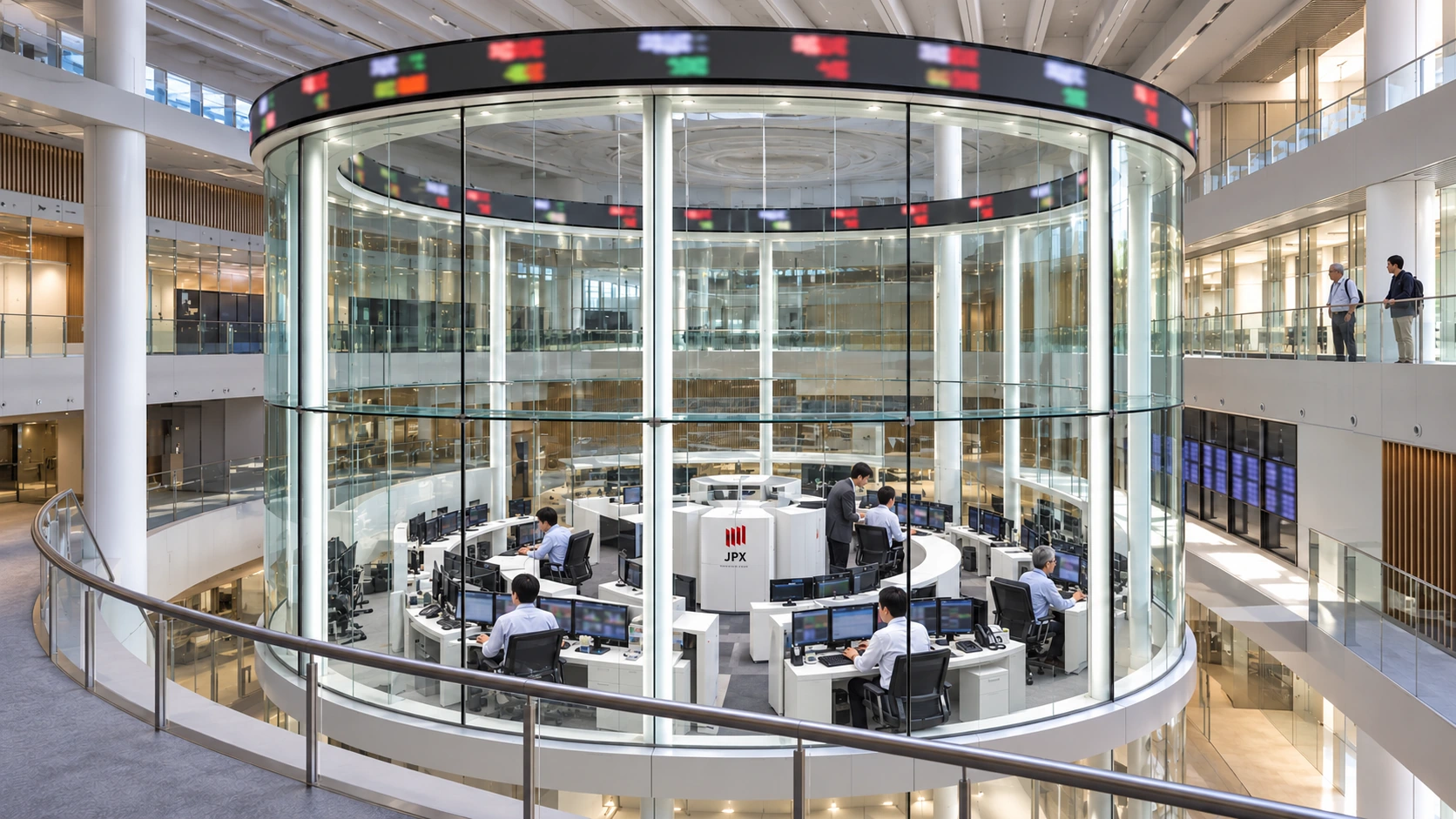
Technology shares fell across Asia and US equity futures weakened Friday as anxiety over the returns on artificial-intelligence investment spread beyond Wall Street. Government bonds moved in the opposite direction, showing that the selloff was a retreat from particular risks rather than an indiscriminate decline in every financial asset.
In Reuters’ Friday Asian-session report, South Korea’s KOSPI was down more than 3%, Japan’s Nikkei more than 2% and Nasdaq-100 futures 1.9%. Those are intraday observations, not final closing returns. The futures move also describes a different trading session and instrument from Thursday’s completed US stock-market performance.
The central financial question is becoming more demanding. Large technology companies can report growing cloud revenue and operating profit while spending even more cash on infrastructure. Shareholders must assess both whether customers want the services and whether the eventual cash earnings justify the cost and timing of building the capacity.
Strong cloud demand can coexist with cash leaving the business
Amazon’s Thursday results illustrate that tension. Its official release showed third-quarter AWS sales rising 39% to $46 billion and total operating income reaching $28.1 billion. Yet free cash flow over the preceding twelve months was negative $42.4 billion, compared with positive $14.8 billion a year earlier.
The company attributed the deterioration primarily to a $94.8 billion year-over-year increase in net purchases of property and equipment, largely reflecting AI investment. Operating cash flow itself rose 29% to $168.3 billion. The distinction matters: the cash deficit followed substantial investment outlays even as the operating business generated more cash.
An investment can also raise accounting profit before it produces surplus cash for shareholders. Equipment purchases usually enter cash-flow calculations immediately, while depreciation spreads their accounting cost across later periods. That timing difference helps explain why an earnings headline can leave investors dissatisfied.
These measures cover different periods and different layers of the accounts. The quarterly AWS growth rate cannot be directly compared with a twelve-month free-cash-flow total as if they described the same quantity. Nor does negative free cash flow, by itself, establish that an otherwise profitable company is unable to pay its bills.
As TTN’s free-cash-flow guide explains, capital spending can create assets that support revenue for years. But shareholders bear the financing cost before all of those revenues arrive. Higher utilization, sustainable customer pricing and control of recurring expenses determine whether the investment ultimately pays off. Revenue growth alone cannot settle that question.
TTN’s separate report on Amazon’s earnings and holiday outlook examines the company-specific figures. Friday’s development is the transmission of those concerns into a broader market repricing, including businesses whose fortunes depend on the same infrastructure investment cycle.
An index loss can conceal very different experiences
Thursday’s US session also showed why a falling headline index does not mean every stock collapsed. The Associated Press reported that Alphabet fell 12.6%, while about four-fifths of S&P 500 stocks rose. The S&P 500 nevertheless finished down 0.3%; the Nasdaq Composite fell about 1.4%.
Large companies carry greater weight in capitalization-weighted indexes. A severe decline in one of the largest constituents can therefore outweigh smaller gains across many other companies. A diversified fund’s index return and the experience of a randomly selected stock can look strikingly different on the same day.
The distinction is relevant to the connection between AI spending and technology-stock corrections. Companies supplying infrastructure may initially benefit from customers’ investment budgets, while those customers face pressure over cash returns. If investors begin expecting slower future spending, that concern can travel back to suppliers before any announced order cancellation.
The bond rally changes the meaning of the selloff
Reuters reported the benchmark ten-year US Treasury yield falling more than seven basis points to 4.91% during Tokyo trading. Bond prices rise when yields fall. That move is consistent with demand for government debt during a reduction in equity risk, although price action alone cannot identify every investor’s motive.
Lower Treasury yields can reduce the discount rate applied to future corporate earnings, which ordinarily helps valuations. Friday’s combination of weaker technology shares and stronger bonds shows that concerns about future business returns can outweigh that support. TTN’s guide to bond duration explains why an existing bond can gain value as its market yield declines.
The immediate evidence points to a reassessment of expected returns and portfolio risk. It does not establish that AI demand has disappeared or that a recession has begun. Subsequent company spending commitments, cash generation and the breadth of stock-market moves will help distinguish a concentrated valuation adjustment from a more extensive deterioration in the economy.
Sources and methodology
Sources checked October 30, 2026. Historical prices and rolling liquidation windows are labeled in the text. Official decisions, company statements and reported findings are attributed in the text. Financial and operational implications are TTN editorial analysis.