Google’s News AI Deals Expand to 400 Publications. The Traffic Test Remains
CNN, Axios, the Financial Times and local newsrooms join Google’s paid AI pilot. Licensing income and a durable reader relationship remain different measures of success.
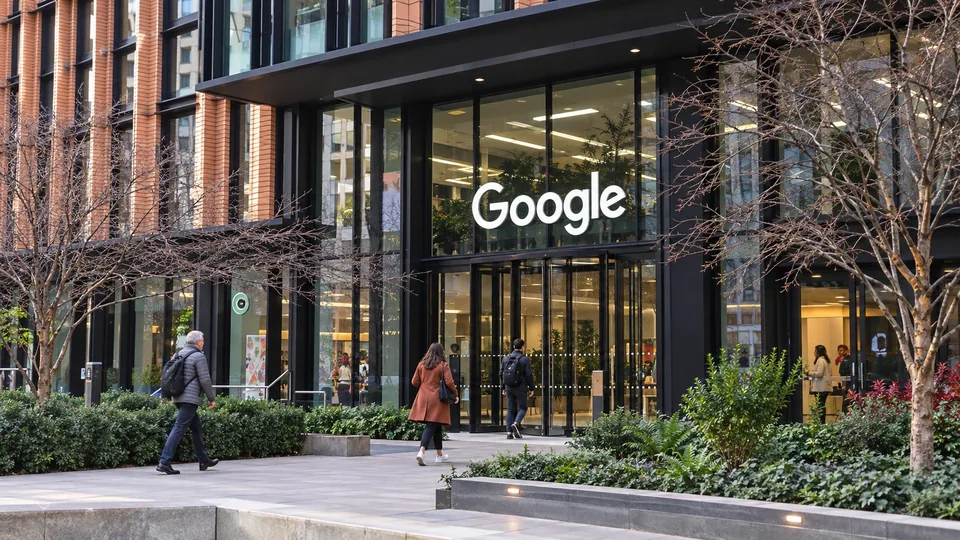
Google said on October 15 that more than 400 publications worldwide now participate in its News AI pilot, extending paid licensing arrangements to CNN, Axios, the Financial Times, Forbes and additional local newsrooms. The expansion gives publishers another route to revenue from AI features while leaving a central business question unresolved: whether those features also build an audience for the reporting behind them.
Google says it pays participating publications for enhanced content used to develop AI experiences. Examples include expanded article overviews on publisher pages in Google News and customizable audio briefings. The company says these features include attribution and direct links. Those are descriptions of the program’s design, rather than published evidence of additional visits or subscriptions.
A content payment is not a reader visit
Nieman Lab reported that the pilot does not compensate publishers according to how much their material contributes to a particular generated answer. A Google spokesperson distinguished it from a separate pay-per-value initiative. The exact commercial terms were not disclosed.
That distinction matters when assessing the economics. A licensing payment can provide income even if an individual user never reaches the publisher’s site. A referral can generate a visit without producing a subscription or meaningful advertising revenue. They belong on separate lines of a publisher’s assessment.
An AI overview may help a reader decide that a story deserves closer attention. It may also satisfy the reader’s immediate question before a click occurs. Both outcomes are plausible; a direct link on its own does not tell the newsroom which one is happening more often.
The local-news additions make the test broader
Google named the Post and Courier, Texas Tribune, Oil City News and Shaw Media among its newer U.S. partners. Nieman Lab’s reporting places those additions alongside the global outlets, making the expansion relevant to newsrooms with different audiences and business models.
A regional publisher might value a reader who returns for school, transport or local-government reporting more than a large number of brief visits to a widely shared national story. The evaluation needs to reflect the newsroom’s actual audience and revenue model, rather than only the volume of impressions inside a platform.
Useful measures would include qualified referral visits, return visits, newsletter registrations and paid conversion where a subscription exists. Those are proposed measures of performance, not results Google has announced for these partners.
Revenue needs to be evaluated after the cost of participation
A newsroom's net benefit depends on more than the licensing payment. Technical integration, editorial review and correction handling can consume staff time. A payment that improves cash receipts can still have a different contribution to profit once those costs are included. The public announcement does not provide enough information to calculate that result for an individual partner.
Comparison periods matter too. A short-lived burst of referrals after a feature launches would not establish a durable audience. Publishers need consistent attribution and enough time to observe return visits or conversions. Those measurements can assess the distribution relationship alongside licensing income without assuming the two revenue channels rise together.
Attribution is the beginning of the relationship
The broader economics of AI search and publishing turn on who captures value when reporting becomes an answer inside another service. Clear credit helps users identify the source, but commercial value depends on what happens after that identification.
Publishers also need to assess how their reporting is summarized and corrected. An accessible source link lets a reader examine the original account; it does not guarantee that every generated overview preserves its qualifications. The licensing arrangement and the presentation of the journalism need separate scrutiny.
For now, the expansion establishes that Google is paying a wider group of news providers to participate in the pilot. It does not establish that AI summaries have solved the industry’s traffic problem. The more revealing evidence will be whether partners gain repeat readers and sustainable revenue alongside the licensing fees.
Sources & image reference (4)
For informational purposes. This article is not investment advice.