Guidewire Agrees to Buy Insurance AI Firm hyperexponential for Up to $2.1 Billion
The agreement includes $1.7 billion in cash and a possible $400 million earnout, linking part of the price to recurring revenue targets.
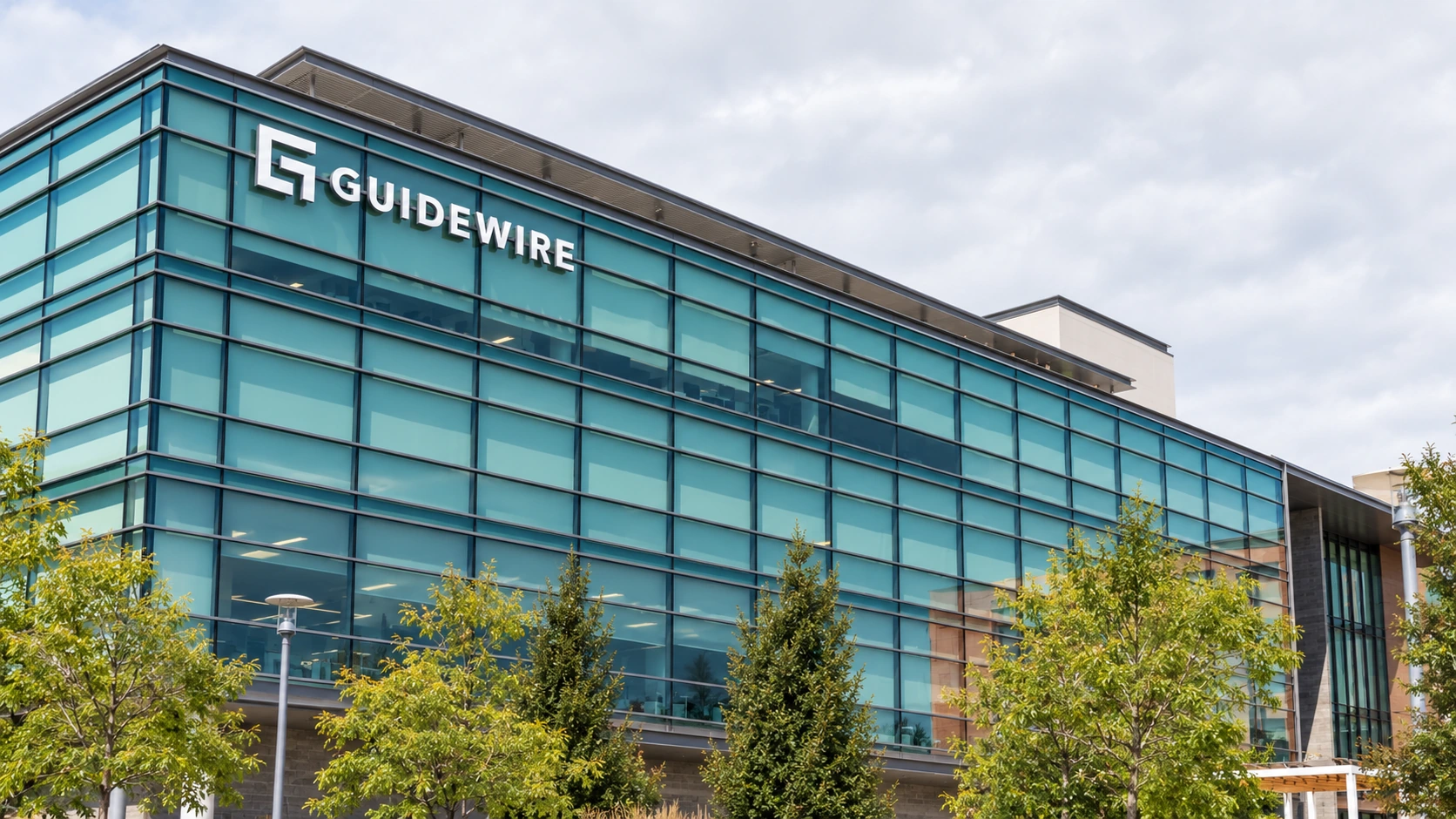
Guidewire has agreed to acquire London-based hyperexponential, a provider of AI-enabled insurance underwriting and pricing software, for $1.7 billion in cash plus up to $400 million tied to recurring revenue targets. The deal announced Tuesday would expand Guidewire's tools for commercial property and casualty insurers, moving further into the decisions that determine which risks an insurer accepts and what it charges.
The distinction from a general-purpose chatbot acquisition is important. Insurance underwriting combines customer information, loss history, pricing assumptions and limits on how much risk an insurer can carry. Guidewire is buying software intended to operate inside that process. Reuters independently reported the agreement, which has been signed but has not yet closed.
Our analysis of enterprise AI returns explains why a specialized workflow can offer a clearer commercial test than a broad claim about automation. The relevant outcome is not simply whether an agent can produce an answer. It is whether the software improves a decision, fits existing controls and delivers enough value for the customer to keep paying for it.
The headline price includes a conditional payment
The announced $2.1 billion maximum combines the base purchase price and an earnout. The additional $400 million depends on specified recurring revenue targets. It should not be presented as cash that will necessarily be paid. The final acquisition cost will depend on the agreement's adjustments and on whether the conditions for the contingent consideration are met.
An earnout connects part of a valuation to performance after an agreement is signed. It can narrow the difference between a seller's growth expectations and the buyer's willingness to pay immediately. It also makes the definition and measurement of the target important. A recurring revenue milestone is not the same thing as a profit, cash flow or insurance-loss target.
Our guide to mergers and acquisitions describes why price, financing and completion need separate attention. A definitive agreement is a more concrete stage than preliminary talks, but the acquired business does not become part of the buyer merely because the companies announce a transaction. Closing conditions and the operational transition still stand between the agreement and the intended result.
Faster underwriting still needs accountable decisions
Guidewire describes its goal as agents working alongside underwriters and actuaries. That is a company strategy, rather than independent proof that the combined products will deliver better insurance results. The acquisition announcement does not establish a measured improvement in customer loss ratios or demonstrate that human review can be removed from every underwriting decision.
Consider the practical chain behind a quote. Software may need to extract information from a submission, reconcile incomplete records, apply a pricing model and flag exceptions. An answer generated quickly can still be wrong if an input is missing or a risk falls outside the model's useful range. The insurer needs to know which information informed the decision and when escalation is required.
This makes integration and control part of the product's economics. Our coverage of enterprise AI data security examines why access permissions and information handling matter when an AI system operates on business records. In underwriting, a faster workflow must preserve the ability to inspect decisions and manage the consequences of incorrect or inappropriate outputs.
Debt funding raises the execution stakes
Guidewire expects to use $1 billion of new term-loan financing and existing cash, with a binding debt commitment from Bank of America and Citi. It targets closing in its fiscal second quarter of 2027. That fiscal period should not be confused with the second calendar quarter. The company expects to update annual guidance on its December earnings call.
Borrowing creates a funding obligation that is separate from the acquired software's technical potential. Commercial progress must be assessed against the resources committed, the expense of financing and the work of connecting products and customer relationships. Adding an acquired revenue base can increase reported growth immediately after consolidation without showing that the existing business is growing faster organically.
The deal's next tests are completion, integration and evidence of sustained customer use. Guidewire is making a substantial commitment to specialized insurance AI. The conditional portion of the price acknowledges that part of the valuation rests on future recurring revenue, which still has to be delivered after the agreement is signed.
Sources and methodology
Sources checked October 27, 2026. Company statements, reported findings and forecasts are attributed in the text. Financial and operational implications are editorial analysis.