Nvidia Opens Internal Probe Into Whether CEO Jensen Huang Was Targeted by Foreign Intelligence
Shares fell as much as 6% in early Monday trading, putting about $270 billion of value at risk, while the company says it has no reason to believe secrets were leaked and Korea expects deliveries to continue.
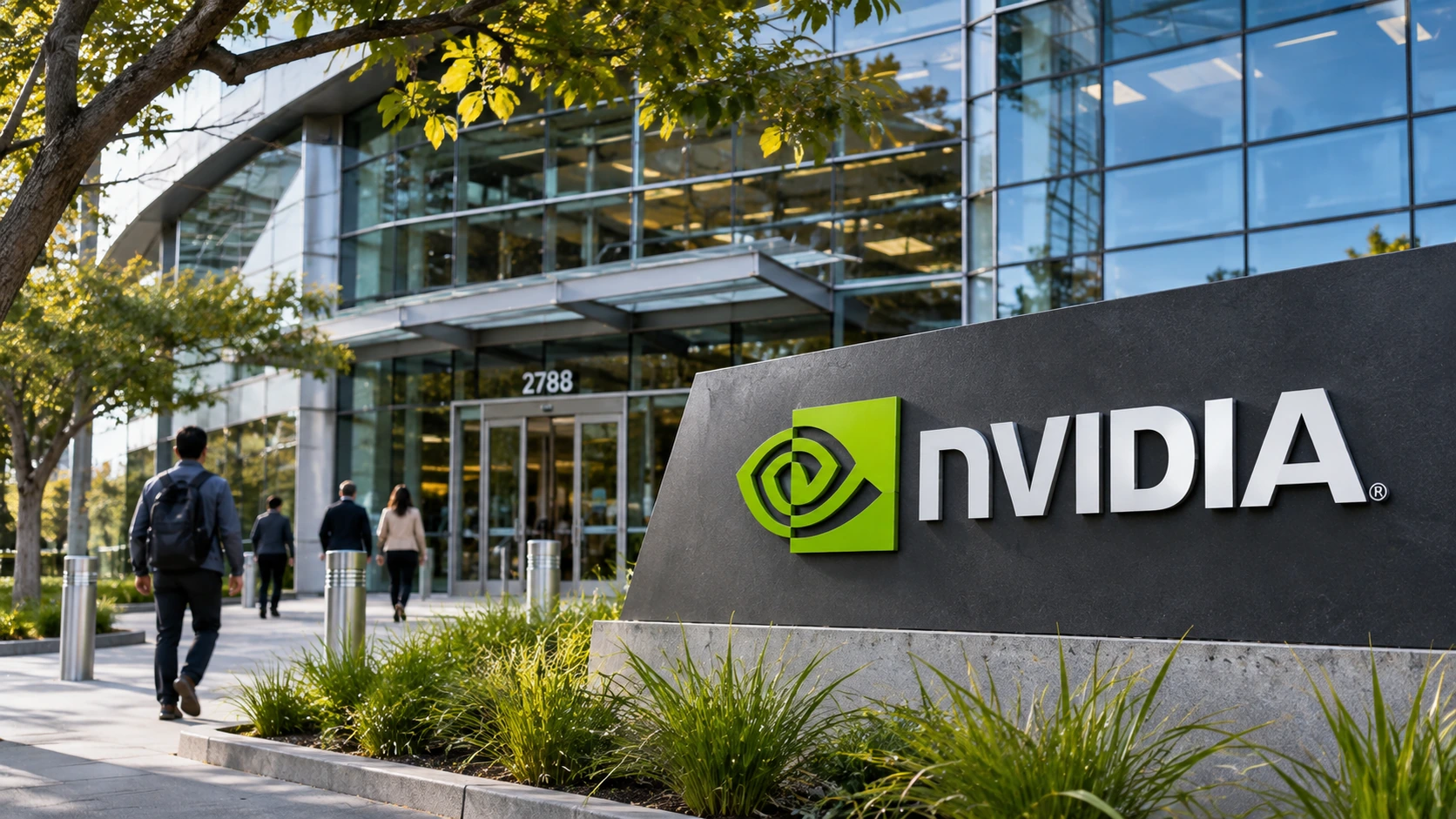
Nvidia’s board said on Sunday, November 8, that it had initiated an independent investigation into whether its chief executive, Jensen Huang, was targeted by a foreign intelligence effort, according to Reuters. The company's shares fell more than 6% in Frankfurt on Monday, extending last week's selloff to multi-month lows. At those levels the company stood to lose about $270 billion in market value from Friday's close, according to LSEG Datastream cited by Reuters.
This article reports allegations as allegations. None has been proven, and no authority has announced charges.
What has been reported
The New York Times reported last month that Huang had a relationship with a former executive of the Singapore-based company Megaspeed, according to Reuters. U.S. authorities reportedly concluded that the woman was a Chinese intelligence asset who passed information to Beijing. She did not respond to the Times, and Reuters could not determine her location. Megaspeed did not respond to requests for comment. China's Foreign Ministry called the spy narrative "groundless."
Huang told employees that he had been unfaithful to his wife but did not disclose details of the relationship, according to Reuters. XTB wrote that he "admitted" the affair and that U.S. authorities are investigating a possible leak of information to Beijing, though no leak has been confirmed. The Times also reported that President Donald Trump was briefed on the intelligence about a year ago and chose not to act on it, according to Reuters. Trump said he had not spoken with Huang about the allegations.
What Nvidia says
In its official November 8 statement, Nvidia said its board was initiating an independent investigation overseen by a committee of independent directors assisted by outside counsel. The board said it had no reason to believe that national security or company secrets had been compromised. Jensen Huang supports the review, and the company said it would provide updates as appropriate.
Market reaction
Nvidia closed Friday at $186.64 in Nasdaq trading, according to a report on South Korea's response. It traded around $178.60 after hours, a decline of about 4.3%, according to the same report. Frankfurt trading on Monday showed a drop of more than 6%. The tokenized stock NVDAX fell 3.55% to $180.42, according to CoinCentral.
Other chip stocks rose. TSMC gained 6.5%, Samsung 2.9% and SK Hynix 4.7%, according to Reuters, helped by a broad rebound in Asia, as covered in our Asia markets report. The Nasdaq 100 futures fell about 0.6% to near 26,940 in XTB's early note, which described the Nasdaq as oversold.
Korea and the Seoul event
South Korea's deputy science minister said on Monday that the government expects no disruption to contracted Nvidia GPU deliveries, according to SRN News. The report did not say whether Nvidia confirmed this. Nvidia's chief executive's daughter, Madison Huang, who is an Nvidia executive, canceled a planned Seoul visit, and the Korean company Rebellions cited "unavoidable internal circumstances at Nvidia" in canceling related events, according to Reuters. Nvidia AI Day Seoul, a two-day event expected to draw about 2,000 participants, will go ahead as planned, according to South Korean media. The event schedule was covered in our AI week-ahead preview.
The China and export angle
Reuters did not discuss U.S. export-control rules. An analyst quoted in the report said shipments to China could face further delays depending on how the situation develops. Any change in policy would be a separate government decision, and no source reviewed describes one.
Why investors are focused on governance
Nvidia is one of the largest companies in the market, and its share price has been a gauge for the AI trade. Its chief executive is the public face of its strategy, which means a leadership issue can move the stock beyond the specific allegations. Analysts also point to key-person risk, which is the exposure a company has when its direction depends heavily on one individual. Whether the allegations lead to any lasting business effect is not yet known.
What to watch
The first marker is whether Nvidia provides more detail on who is conducting the review and what it covers. The second is any statement from U.S. authorities. The third is whether Nvidia's shares stabilize near Monday's lows, and whether the broader chip rebound holds. The fourth is whether the Seoul event and Korean deliveries proceed as stated. The fifth is the company's next scheduled earnings report.
Limits of the reporting
The central fact of the independent board investigation is confirmed by Nvidia’s official November 8 statement. Other market and third-party claims require continued attribution. Reports differ on the type of investigation and on share prices, which vary by venue and time of day. The allegations rest on an earlier New York Times report that we could not read directly. Nothing in this article is a finding of wrongdoing.