NYSE Adds Four Transfer Agents to Build Tokenized Stock Trading Infrastructure
Four transfer agents are joining NYSE’s tokenization project. Preserving shareholder rights and winning approval remain prerequisites for trading.
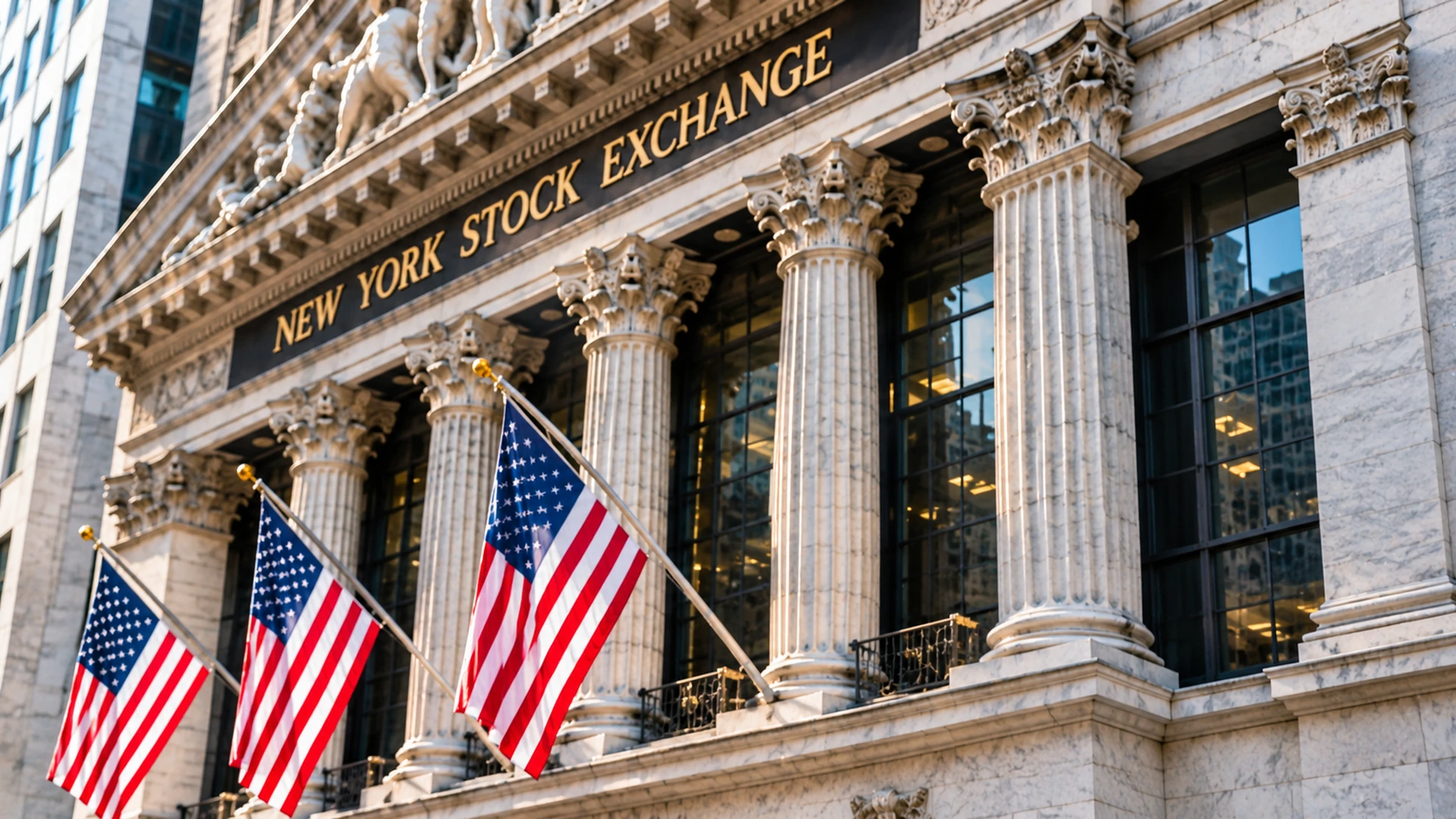
The New York Stock Exchange has added four transfer-agent partners to the infrastructure supporting its planned market for tokenized securities, bringing blockchain-based ownership records closer to the operating systems of major public companies. Announced on November 2, the agreements cover Broadridge Financial Solutions, Computershare, Equiniti and Superstate. They join previously announced partners Securitize and tZERO.
Why transfer agents matter
A blockchain token can represent an entitlement, but a technical record alone does not establish how an investor receives dividends, votes at a shareholder meeting or responds to a corporate reorganization. Those rights depend on legal structures, issuer records and regulated market participants. The NYSE’s expanded partner network is designed to connect tokenized trading with that existing infrastructure rather than assume it can be replaced overnight.
According to the exchange, Computershare, Equiniti and Broadridge collectively serve nearly 5,000 listed companies, including almost 99% of the S&P 500. That figure describes the combined reach of those firms in the traditional market, not the number of issuers that have committed to tokenize their shares. The distinction is crucial: infrastructure capacity is not the same as market adoption.
Broadridge says it will contribute digital transfer-agency functions and on-chain shareholder governance, including links between verified voting entitlements, proxy materials and supported digital wallets. The company also intends to support access through familiar brokerage channels and its ProxyVote service. If implemented as planned, these tools would let shareholders participate without abandoning the institutional safeguards they already rely on.
A planned venue, not a launched market
The NYSE has said the new affiliated venue remains subject to regulatory approval. Its plans include round-the-clock trading and faster settlement, but investors should not interpret the partnerships as evidence that an unrestricted tokenized stock exchange is already open. Details of eligible securities, market access, surveillance and technical integration will influence how the proposed system operates in practice.
The exchange has described both issuer-sponsored tokenized securities and third-party custodial tokens within its framework. It says investors are intended to receive the same dividends and governance rights as shareholders of conventionally issued securities. Preserving those rights is central to the project’s credibility, especially as the term “tokenized stock” is often used for products with significantly different legal structures.
For issuers, round-the-clock ownership transfers introduce new operational questions. A corporate record date, a voting deadline or an entitlement adjustment must still work when trading systems remain active outside ordinary exchange hours. Custody and digital wallet controls need to link to reliable identity and compliance processes. Transfer agents are positioned to solve some of these problems, but their participation does not remove the need for testing and supervision.
Wall Street's blockchain projects are not interchangeable
The NYSE initiative is separate from other tokenization projects underway in US financial markets. The Depository Trust & Clearing Corporation recently launched a service that tokenizes certain eligible securities held in custody. Our coverage of DTCC’s tokenization platform described a system focused on custody and transfer rather than creating a new exchange for continuous trading.
International efforts are developing in parallel. In Hong Kong, monetary authorities are testing mechanisms for continuous settlement using tokenized money. Our report on Hong Kong’s 24-hour tokenized settlement pilot examined the cash side of transactions. The NYSE’s announcement addresses a complementary challenge: maintaining the shareholder and issuer services around the security being traded.
What investors and issuers should watch
A second question concerns practical benefits. Faster settlement may reduce the period during which trades are exposed to counterparty risk and may improve the flexibility of collateral use. Yet moving to a new technology does not by itself guarantee lower costs. Compliance, custody, cybersecurity, dispute resolution and interoperability can introduce new expenses that need to be measured against the savings.
Sources and methodology
Primary sources and supporting reporting.