The Strategic Petroleum Reserve Buys Time During a Supply Disruption
Emergency crude releases can bridge shortages. Refining capacity, transport and replenishment limit what the reserve can accomplish.
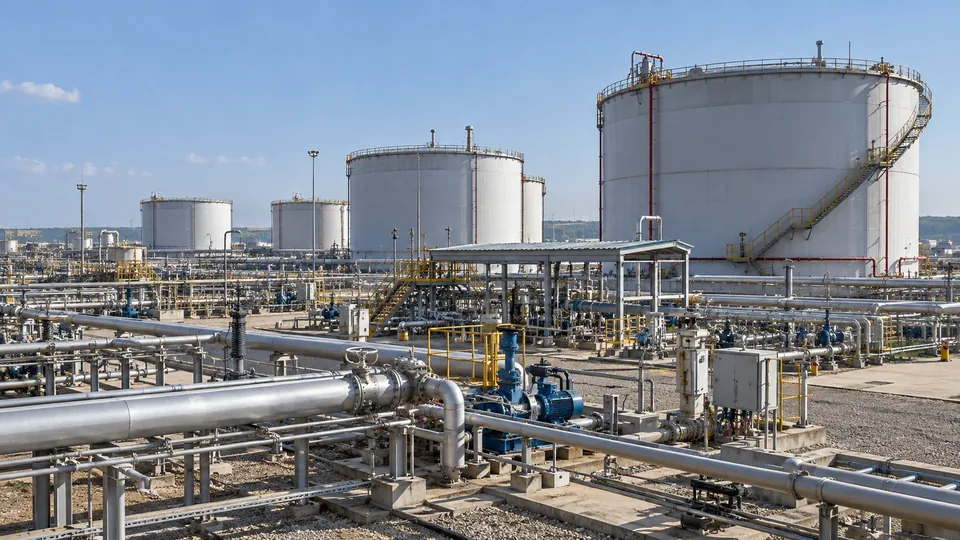
The U.S. Strategic Petroleum Reserve is an emergency stock of crude oil. It provides a buffer when petroleum supplies are disrupted, but a reserve announcement is not equivalent to an immediate delivery of gasoline to every filling station. Understanding the policy requires separating barrels stored, barrels that can be delivered over time and the products consumers ultimately need.
The Department of Energy describes the reserve as a tool for reducing the impact of petroleum supply interruptions. Its Gulf Coast storage facilities use salt caverns. Releases and exchanges follow different legal and operational arrangements, so a headline about oil leaving storage does not always describe a permanent sale. The terms of the specific action matter more than a general label such as tapping the reserve.
A stock must be translated into a daily flow
Consider a hypothetical disruption removing one million barrels a day from available supply for 60 days. The cumulative shortfall is 60 million barrels. A reserve release of 500,000 barrels a day for 20 days supplies 10 million barrels. It offsets half the daily shortfall during those 20 days, while covering only one-sixth of the total volume missing over the full disruption.
Those calculations explain why a release can be meaningful without solving the entire problem. Duration and delivery rate belong beside the announced volume. A large stock that reaches buyers slowly provides a different kind of protection from a smaller amount available immediately. The example assumes each released barrel is usable where needed; actual results also depend on the oil's characteristics and the transport system connecting storage with buyers.
Crude oil and gasoline are different markets
Crude normally requires refining before it becomes gasoline, diesel or other finished products. Releasing crude cannot by itself restore a refinery that has lost power or repair a damaged pipeline. If the immediate shortage is in refining capacity or product distribution, additional crude may address only one part of the chain. The location of the disruption is therefore essential to interpreting the policy response.
Imagine two hypothetical regions with identical crude prices. One has functioning refineries and ample product transport; the other faces a refinery outage. An additional crude delivery could support more finished fuel in the first region while leaving the second region's immediate bottleneck unresolved. That does not make the reserve useless. It means the relevant question is which physical constraint the release is capable of easing, and on what timetable.
Sales and exchanges create different obligations
An outright sale transfers oil under the terms of the sale. An exchange typically involves oil delivered now and returned later, with additional barrels under the agreed arrangement. DOE describes exchanges as one available response to supply interruptions. A report should identify which mechanism is being used before drawing conclusions about the lasting change in reserve holdings or the government's eventual receipts.
For an illustrative exchange, suppose a recipient receives one million barrels and must later return 1.02 million. The extra 20,000 barrels are part of the hypothetical agreement, not a standard rate for every operation. Their eventual dollar value depends on future oil prices. Comparing today's delivery with tomorrow's return therefore requires attention to timing and contract terms, rather than treating the difference as an immediate cash profit.
A price reaction is not a complete evaluation
Oil prices reflect global supply, demand, inventories and expectations, as the Energy Information Administration explains. A reserve announcement can change expectations before the oil is physically delivered. Prices can also rise after an announcement if the underlying disruption worsens. The observed change alone cannot reveal what prices would have done without the release, which is the missing comparison in many quick verdicts.
A hypothetical market that rises from $80 to $85 after a release might otherwise have risen to $95, or it might have followed exactly the same path. Neither alternative can be inferred from those two observed prices. Evaluating the policy needs evidence about volumes delivered, the disruption, other supply responses and product availability. A single price chart does not isolate all of those influences.
Replenishment is a separate decision
Replacing released barrels requires procurement, delivery and available storage arrangements. Buying at a lower price than an earlier sale may improve the cash comparison, but the timing cannot be assessed only with hindsight. Emergency capacity has value during the period when barrels are absent. A refill decision also has to consider the physical reserve's condition and the risks officials are preparing to address.
For readers following a particular release, record the announced quantity, scheduled delivery period, transaction type and relevant supply bottleneck. Then distinguish authorized amounts from completed deliveries and later returns. Those details provide a more useful account than treating every barrel as an identical unit of immediate price relief. The reserve buys flexibility during disruptions; its effectiveness depends on how that flexibility matches the problem.
Sources and methodology (2)
Primary references support the definitions and reporting methods above. All examples explicitly labeled hypothetical or illustrative are TTN calculations, not current quotations or documented company transactions.
TTN analysis for informational purposes. This article is not investment, tax or legal advice.