Toyota Raises Buyback to ¥1.3 Trillion as Operating Profit Rebounds
Toyota lifted its annual operating-profit forecast to ¥3.9 trillion. A stronger operating quarter and a larger buyback contrast with a decline in quarterly net income.
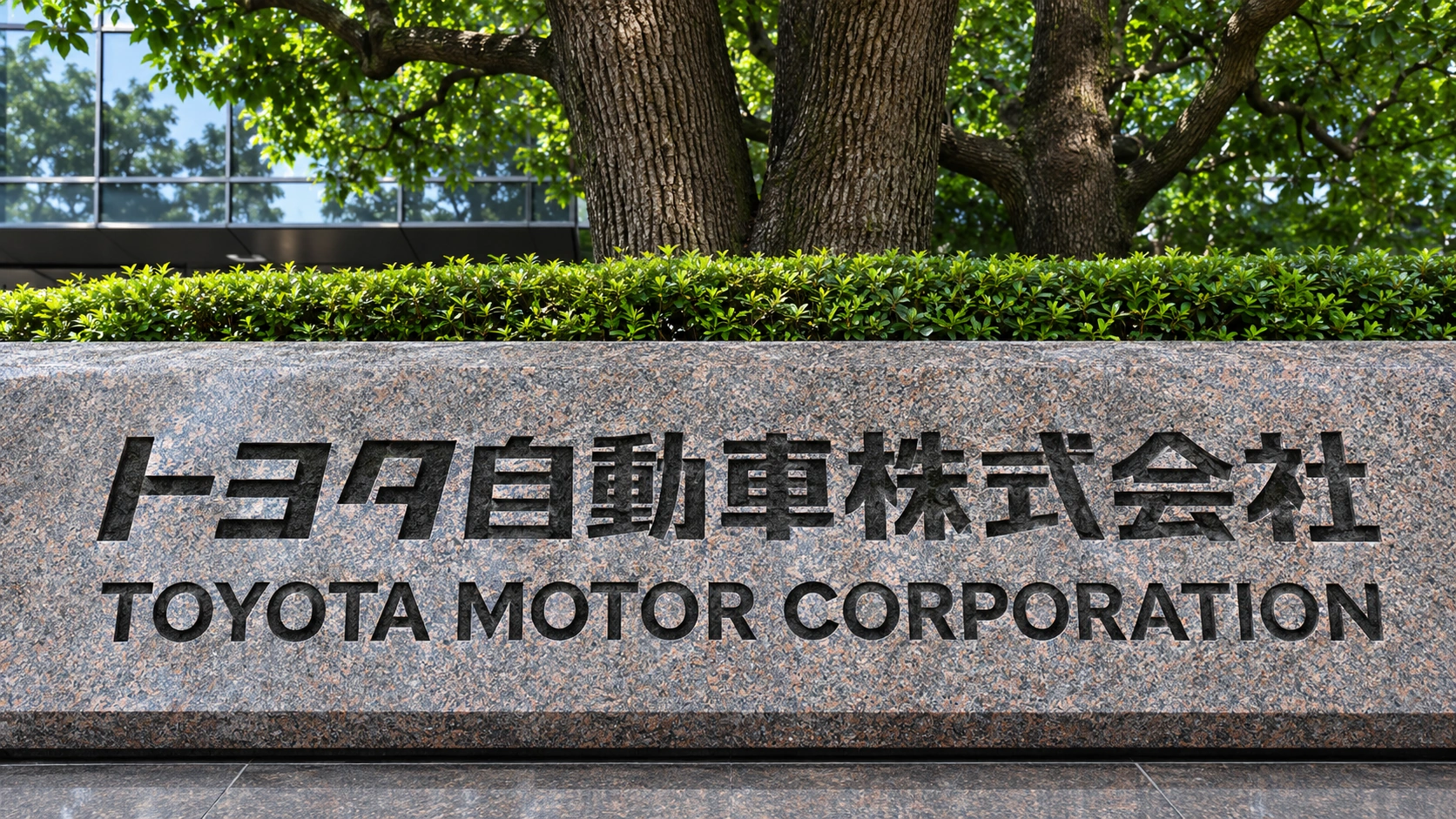
Toyota increased its share-repurchase authorization to as much as ¥1.3 trillion and raised its annual operating-profit forecast on November 5, giving investors a stronger capital-return outlook after a recovery in its core business. The company now expects ¥3.9 trillion of operating income for the year ending March 2027, up from ¥3.4 trillion previously.
The July–September quarter illustrates why the definition of profit matters. Operating income rose about 34% to ¥1.1276 trillion, while net income attributable to Toyota fell to ¥759.4 billion from ¥932 billion. Revenue increased to ¥13.437 trillion. A better operating result did not translate into a higher bottom line.
For shareholders, the announcement combines two different developments: an improved forecast for the business and permission to spend more cash buying back stock. Neither should be read as evidence that all the authorized purchases have already happened. Our guide to share repurchases explains how a buyback affects the share count separately from the underlying operation.
Operating improvement and net income tell different stories
Toyota’s financial presentation shows quarterly operating margin improving to 8.4% from 6.8%. Its financial summary reports first-half operating income of ¥2.191 trillion, up 9.2%, and first-half attributable net income of ¥2.236 trillion, up 26.1%. Those six-month figures cover April through September and should not be confused with the July–September comparison.
The difference between operating and net profit is financially meaningful. Operating income describes the result after operating costs. Other income, financing effects and taxes can then change the amount attributable to shareholders. Reading only the strongest growth figure would miss the fact that these measures moved in different directions during the latest quarter.
Reuters reported that robust demand for higher-margin hybrids and a weaker yen helped the operating recovery, despite weaker sales in China and the Middle East. Product mix and currency can support earnings even when unit sales are under pressure. That makes the source of improvement as important as the headline percentage change.
The higher forecast still contains trade-offs
Toyota’s revised annual forecast pairs the ¥3.9 trillion operating-income target with revenue of ¥53.5 trillion, compared with ¥54 trillion previously. It forecasts attributable net income of ¥3.57 trillion. The company is therefore raising its earnings expectations while lowering its revenue forecast, rather than projecting uniformly faster growth across every measure.
A business can generate a better margin from a different sales mix, cost improvements or other operating changes without increasing revenue at the same rate. The investment question is whether those improvements persist as demand, input costs and exchange rates change. The forecast is management’s current estimate, not a guaranteed result for the remaining months of the fiscal year.
That distinction is familiar in our report on BMW’s margin and cash-flow outlook. Earnings guidance and cash generation answer related but separate questions. A favorable revision becomes more useful when later reporting shows which assumptions held and how much cash the business produced.
A larger authorization is a capital-allocation decision
The new repurchase ceiling adds ¥300 billion to the earlier authorization. Toyota also kept its annual dividend forecast at ¥100 per common share, with an interim dividend of ¥50. Repurchases and dividends are different ways of distributing capital: one buys shares from sellers, while the other pays holders according to the dividend terms.
The price paid for repurchased shares influences the value of the transaction to remaining shareholders. Spending more does not automatically mean better capital allocation. A company must also fund investment, maintain operating flexibility and decide how much liquidity it needs for a downturn. The authorization establishes capacity to buy, rather than a predetermined return for investors.
Our explanation of free cash flow sets out why earnings alone cannot establish the cash available for those choices. Manufacturing investment and working-capital movements can absorb money before the benefits of a stronger operating quarter reach the balance sheet. A buyback assessment should therefore include execution and funding as well as the announced ceiling.
What the next reports need to establish
The practical test is whether Toyota can turn its improved operating outlook into sustained earnings and cash while meeting its investment commitments. Changes in customer demand can alter the mix of vehicles sold. Exchange rates can affect reported results without a matching change in the number of vehicles delivered. Both matter when comparing one quarter with the next.
The November results give investors more room to expect operating improvement and shareholder distributions. They also show the limits of treating profit as a single number. The higher buyback ceiling, reduced revenue forecast and weaker quarterly net income belong in the same assessment of the company’s financial position.