Sydney opens a second major airport, putting round-the-clock capacity to a commercial test
Sydney’s new airport starts passenger flights with room for 10 million travelers a year. Airline schedules and ground access will determine its payoff.
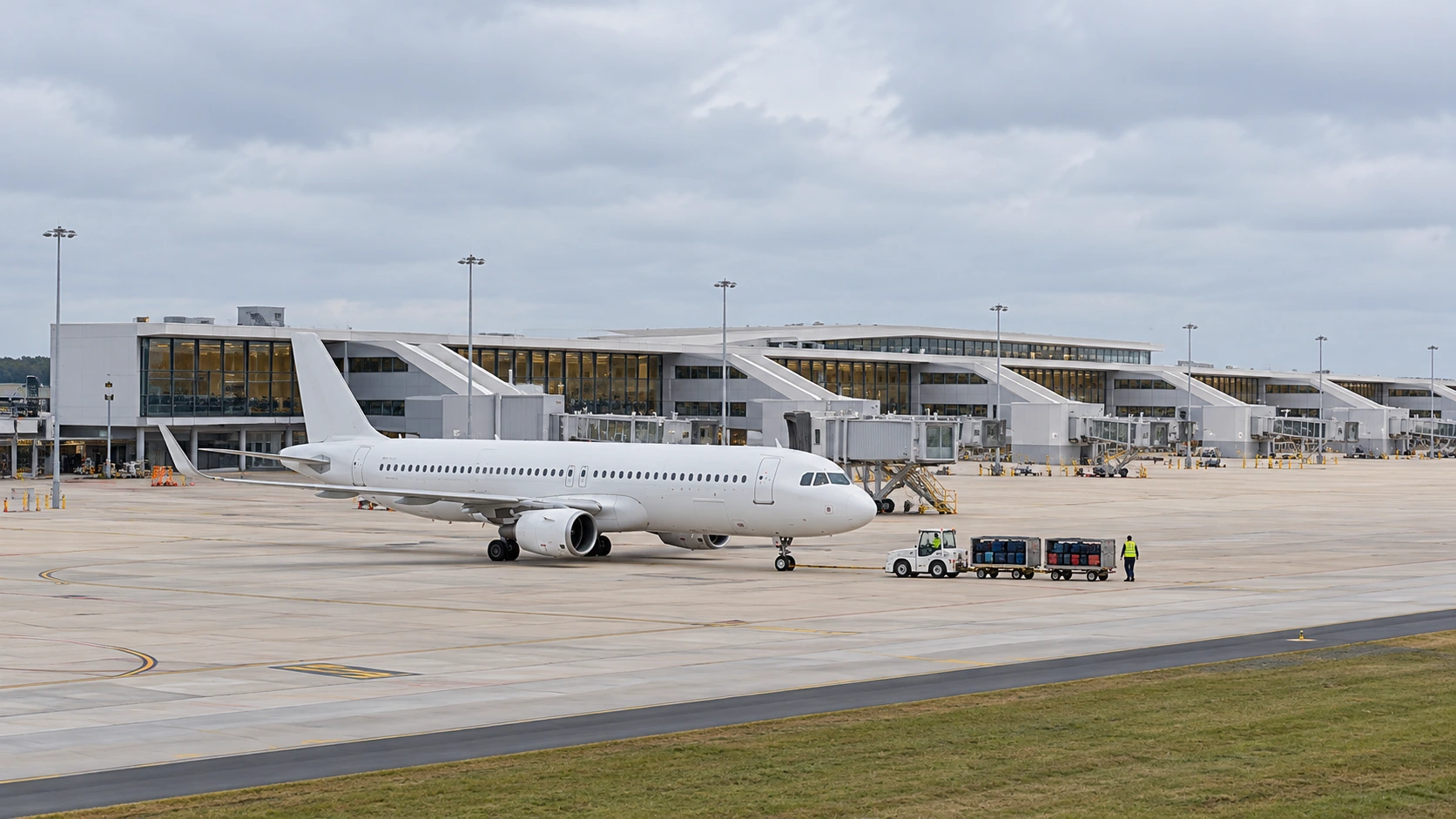
Western Sydney International Airport opened to passengers on Sunday, adding a second major gateway to Australia’s largest city and starting the commercial test of a multibillion-dollar infrastructure investment. Its most consequential advantage is time: the new airport can operate around the clock, allowing airlines to build schedules outside the constraints at Sydney’s existing airport.
Jetstar’s first passenger departure, flight JQ362 to the Gold Coast, took off shortly before 11:30 a.m. local time, ABC reported. The Australian government had scheduled it for 11 a.m. The distinction is small but useful: this is an airport entering service, rather than another announcement of a future opening date.
Reuters put the airport investment at A$5.6 billion. That figure should be kept separate from the government’s roughly A$18 billion wider Western Sydney investment program, which also includes transport infrastructure. Combining those numbers would overstate the airport’s own construction bill.
Ten million passengers is capacity, not opening-day demand
The initial terminal is designed for about 10 million passengers annually. Airport chief executive Simon Hickey told ABC that traffic would grow toward that level, potentially in the early to mid-2030s. A much larger figure, about 82 million passengers, describes a possible expanded airport in the 2060s, requiring additional terminals and another runway.
For investors evaluating the project’s economic impact, those are three different measures: available capacity, expected utilization and a distant expansion scenario. A completed terminal creates the ability to earn aeronautical fees, retail income and parking revenue. It does not establish how quickly those revenues will cover the costs of operating and maintaining the facility.
The same distinction applies to employment. Construction work supports activity while an airport is built; operating jobs depend on the services that follow. As with other large investments, the gap between spending money and generating cash matters more than the size of the announcement alone.
Airlines are adding services in stages
Jetstar’s published launch plan includes up to 14 weekly Melbourne flights, four to the Gold Coast and three to Brisbane. Its parent group’s agreement with the airport covers five years of domestic passenger and freight operations. Qantas-branded passenger services are scheduled to begin in March 2027, rather than alongside Sunday’s first departure.
International connections also have separate start dates. The government’s published rollout puts Air New Zealand’s Auckland service on October 26 and Singapore Airlines’ Singapore service in November. These dates illustrate why an airport’s opening should not be confused with a fully developed route network: passengers need useful destinations, frequencies and connections before they can switch regular travel habits.
Round-the-clock operation gives airlines more scheduling flexibility. Sydney’s existing airport generally restricts takeoffs and landings between 11 p.m. and 6 a.m., Reuters reported. The new gateway can therefore compete partly by offering hours that the incumbent cannot, rather than simply adding another departure point for the same daytime flights.
The economic return extends beyond the runway
That flexibility could be especially useful for freight businesses coordinating overnight deliveries and international connections. Cargo operations already began in July. The next question is whether airlines, distribution businesses and nearby employers build enough sustained activity around that access to justify further investment.
Surface transport remains part of the calculation. The government identifies the airport rail connection and road improvements as further elements of the regional program. Travelers compare the complete journey, including time and cost to reach the terminal. A cheaper ticket can lose its appeal if ground transport absorbs the saving.
Nor does additional airport capacity remove airlines’ other costs. Fuel, staffing and fleet availability still shape fares and route economics, including the way an oil shock reaches transport businesses and consumers. New infrastructure changes the competitive options; it does not guarantee lower prices on every route.
The useful indicators now are published flight frequencies, passenger volumes and progress on ground access. Those will show whether Western Sydney is becoming a routinely used alternative. Sunday’s departure establishes that the asset is operating. Its commercial value will emerge from the traffic it attracts over the years that follow.
Sources and methodology
Sources checked October 25, 2026. Reported findings and company or regulatory statements are attributed in the text; discussion of financial implications is editorial analysis. The generated cover is illustrative.