The AI Boom’s Next Constraint May Be Its Balance Sheet
Broadcom’s chief points to capital as a constraint. Investors need to follow the funding behind capacity plans, not just demand for chips.
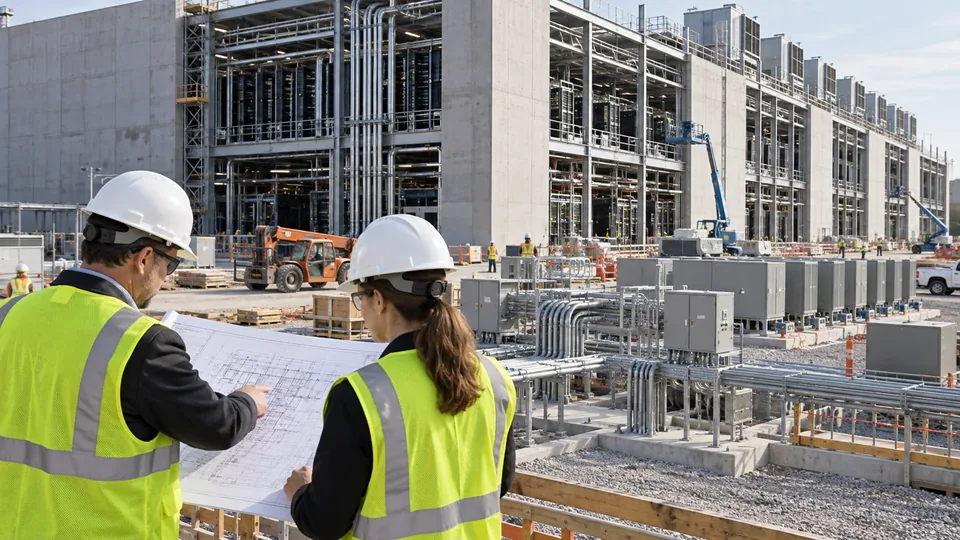
Broadcom chief executive Hock Tan identified capital as the biggest constraint on AI expansion at a Singapore panel on October 12, according to Reuters. His assessment moves the discussion beyond the availability of chips. Even when equipment can be supplied, someone must finance its purchase and the infrastructure needed to operate it.
The statement is an industry executive’s judgment, not evidence that every AI project faces a funding shortage. It nevertheless identifies a useful test for the investment cycle: whether customers can support capacity commitments with cash generation, durable funding or both.
Demand and purchasing power are different
A business can want more computing capacity than it can afford. Demand forecasts describe potential use; financing determines which purchases can happen and when. Confusing those two questions can make a supplier’s opportunity look more certain than its customers’ balance sheets justify.
The funding source changes the risk. Cash generated by an existing business allows one set of choices. Debt requires interest payments and eventual repayment. New equity shares the future economic value with additional owners. None is automatically the wrong choice, but the obligations and dilution differ.
The SEC’s financial-statement guide separates cash from operating, investing and financing activities. That is a practical place to begin. Strong reported earnings and a large financing inflow are different observations; neither should be treated as a substitute for cash produced by the underlying business.
The bill extends beyond the processor
A capacity plan needs a timetable for the complete installation. Servers that arrive before power and cooling are ready cannot produce the expected revenue immediately. Paying for equipment early while customer receipts arrive later creates a financing gap even if the completed operation ultimately works.
A deliberately hypothetical project illustrates the issue. Suppose a facility costs $1 billion and generates $100 million a year in cash after ordinary operating costs. That implies a ten-year simple payback before financing costs, taxes, replacement investment and the time value of money. It is not a valuation and says nothing about an actual company.
The example shows why revenue alone is insufficient. A busy facility can still offer a disappointing return if the upfront cost is too high or the assets require frequent replacement. Investors need the project’s cash economics, not just a utilization target.
Read commitments alongside cash flow
An investment announcement may describe spending over multiple years. A quarterly capital-expenditure figure describes a particular reporting period. Comparing the two as if they were the same can overstate either the immediate burden or the progress already made.
Contracts deserve similar care. A customer commitment may contain delivery milestones, cancellation terms or performance conditions. A headline value does not necessarily mean cash has been received. Where disclosures do not establish the terms, uncertainty should remain in the analysis.
The company’s notes and management discussion can explain obligations that the headline income statement does not. The SEC guide directs readers to those sections for accounting assumptions and material trends. For an infrastructure business, timing and commitments can be as consequential as the reported profit margin.
Refinancing is a separate assumption
A plan relying on new borrowing to repay earlier debt needs to identify when that refinancing occurs and what happens if terms worsen. Expected long-run demand does not guarantee lenders will supply funds on the original schedule.
A funding test is more useful than a bubble label
Projects can survive slower growth if they have credible customers and financing that lasts long enough for the asset to earn its return. Other projects may depend on continually improving expectations. The difference is specific to the business and cannot be resolved by labeling the whole industry a bubble.
The next earnings releases should help expose that difference through investment schedules, cash collections and disclosed funding needs. TTN’s analytical test is whether the operating business is catching up with the capacity being financed. Tan’s warning matters because it puts that test at the center of the AI investment discussion. The Blacksmith code-testing funding round offers a more specific example of capital financing the infrastructure needed around AI-assisted development.
Sources and reporting notes (2)
Published October 13, 2026. Dated reporting and company disclosures are identified below. TTN’s interpretation is analysis; forecasts, hypothetical examples and vendor claims are distinguished from observed results.
For informational purposes. This article is not investment advice.