Apple Offers Replacements for iPhone Duo Display Problems Days After Launch
Apple acknowledged problems affecting some inner displays. An independent teardown points to a possible hinge stress area, but the cause remains unconfirmed.
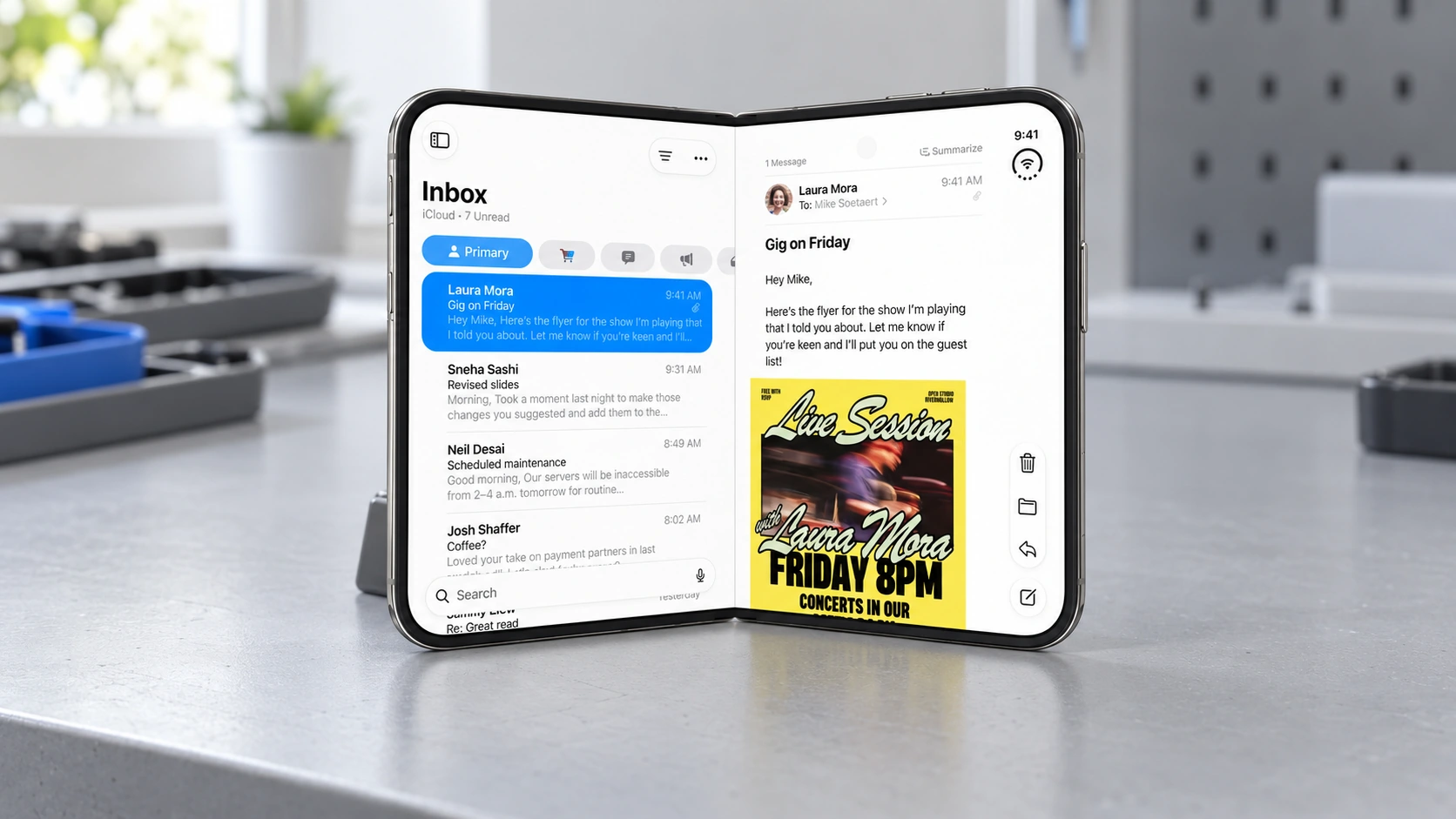
Apple says it will replace iPhone Duo devices affected by inner-display problems, addressing reports of early failures just days after its first folding iPhone reached customers. In a statement reported by Reuters on Monday, the company described the affected population as small and directed owners experiencing display issues to contact AppleCare. It did not identify a cause.
The response shifts attention from launch demand to the reliability of the folding mechanism and screen. Our coverage of the October 23 retail launch described the product's arrival. The immediate test now is how Apple handles affected buyers and whether it can establish what is going wrong, rather than how many customers queued to purchase the device.
Apple has not published a numerical failure rate in the statement. A collection of damaged devices can reveal a pattern worth investigating, but it cannot establish how common a defect is without knowing how many devices are in use and how reports were collected. The replacement response is confirmed; the size and engineering explanation of the problem remain less certain.
A possible stress point, with a cause still to prove
Repair specialist iFixit's October 25 teardown provides an independent look beneath the display. The team combined teardown footage, patents and CT scans to model the hinge, then compared that model with reported damage locations. It found the damage clustered near the transition between a cable gap and the central hinge support, rather than directly over the cable itself.
One simulation showed a central support bar failing to move sufficiently out of the display's path as the phone closed. That could create a concentrated stress point near the reported break location. It is a proposed mechanism from iFixit's investigation, not an engineering finding confirmed by Apple. The report leaves room for more than one component or interaction to contribute.
That qualification matters because a flexible screen and its supporting mechanism work together. A local problem can produce a much larger visible symptom if it interrupts a row or column of pixels. The visible extent of a line across a display therefore does not, by itself, show how large the initiating fault was or identify the part responsible.
The cover layer and the screen are different repairs
Apple describes the 7.6-inch inner display as a construction of more than ten thin layers, with a nano-texture finish intended to reduce glare. That design is more complicated than a rigid piece of glass placed over an ordinary screen. The outer surface, underlying display and hinge support have different jobs, even though buyers experience them as one viewing surface.
The distinction also affects repair. Apple's published cover-layer procedure uses dedicated alignment and display fixtures. It describes replacing that layer, not replacing the entire inner display. Owners should not infer from the existence of that procedure that a failed panel is a routine screen-protector swap or that removing a surface layer will resolve an unexplained display fault.
This is also separate from the support route Apple has now described. The company's statement directs affected users to AppleCare for a replacement; it does not say in that statement that buying a paid AppleCare+ plan is a condition. Individual service arrangements and the diagnosis of a particular device should come from Apple rather than assumptions based on unrelated repair-price listings.
Reliability will shape the commercial outcome
Our earlier reporting on iPhone Duo delivery delays showed why availability was a major launch concern. Replacements add a different operational task: identifying affected units, supplying working devices and helping customers complete the transition. Tight initial supply does not establish how quickly that service can be delivered in every market.
For investors following Apple's future earnings disclosures, useful evidence would include any material service costs, changes to production and the company's own explanation of the issue. No such cost estimate should be invented from social-media reports. For buyers, the confirmed practical message is narrower and more immediate: Apple has acknowledged affected inner displays and provided a replacement-support channel while the cause is still being investigated.
Sources and methodology
Sources checked October 26, 2026. Company statements, reported findings and forecasts are attributed in the text. Financial and operational implications are editorial analysis.