Apple’s $1,999 folding iPhone reaches stores, putting its premium pitch to the test
The iPhone Duo’s retail debut shifts attention from preorder queues to supply, practical app support and the case for a $1,999 starting price.
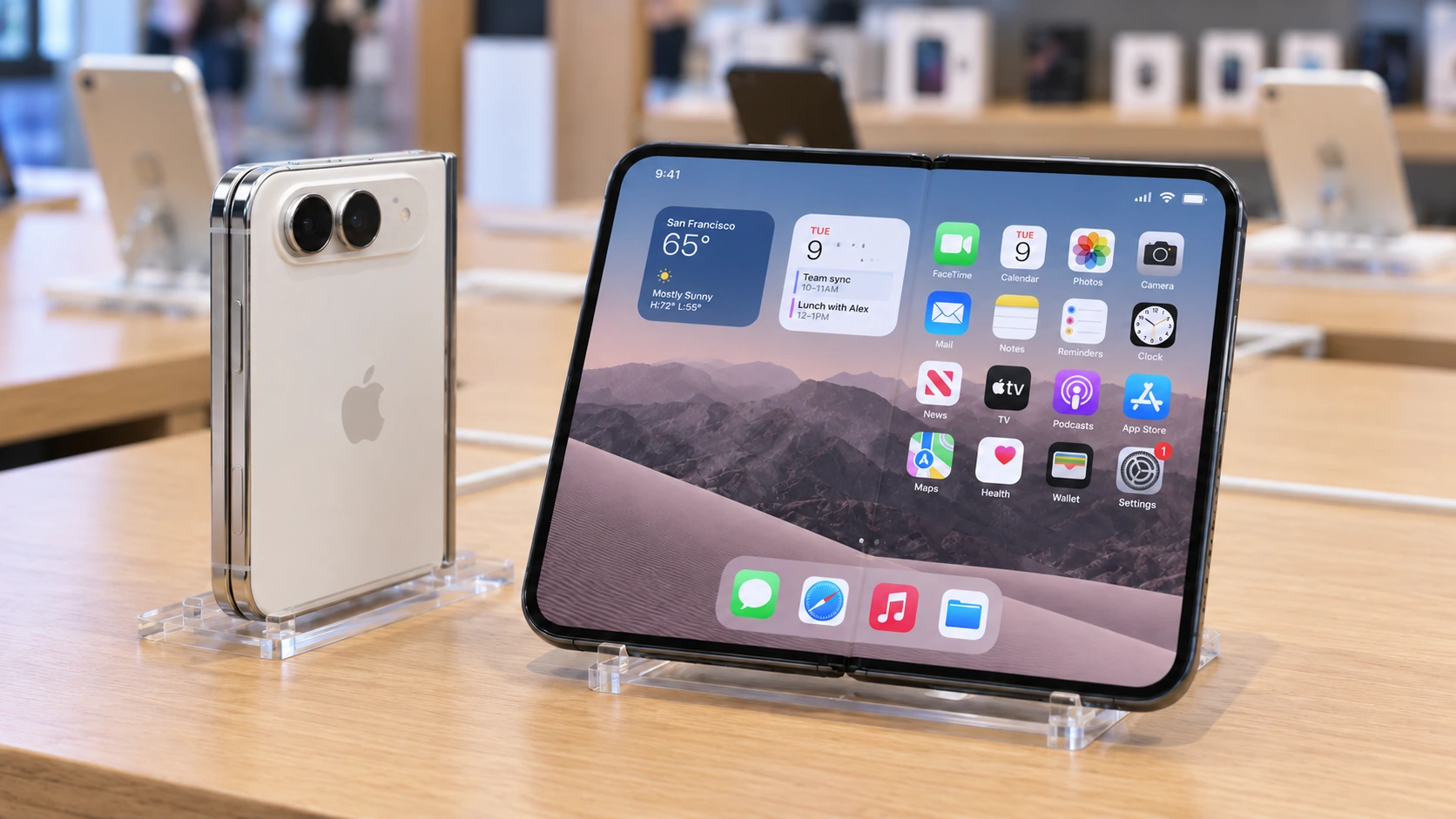
Apple's first folding iPhone reached stores Friday, moving the iPhone Duo from a closely watched preorder into a retail test of how many customers will pay at least $1,999 for a larger screen that folds into a pocket. Apple confirmed the October 23 arrival at stores worldwide, while Reuters reported scarce initial supply.
The distinction between a launch and broad availability matters. Customers can now try the device in person and initial buyers can begin using it, but that does not establish that every configuration is readily available. The earlier preorder delays extending into 2027 remain relevant context, rather than a reliable count of units sold or proof of unconstrained demand.
The extra screen needs to earn its premium
Apple's published specifications describe a 7.6-inch inner display and a 5.4-inch outer display, powered by its A20 Pro chip. The US starting price is $1,999, with storage options running from 256GB to 2TB. Those are company specifications and list prices. They do not establish how comfortable the device is in everyday use or how well its durability claims hold up over time.
The commercial argument is that buyers can carry a compact phone and unfold it into a more useful workspace. That proposition needs software to do more than stretch an ordinary screen. A wider view is valuable when it shows additional information or removes steps from a task. It is less compelling if it simply makes the same interface larger without improving what the user can accomplish.
Apple is making app support a central part of the launch. Its October 22 developer update describes Split View for using two apps alongside one another and an App Store badge identifying software adapted for iPhone Duo. These are practical ways to help customers distinguish a demonstrated use from a general promise that more screen space will automatically make them more productive.
Some software benefits are still on a schedule
The timing of individual app updates deserves attention. Apple said Microsoft's Word and Outlook would introduce expanded layouts in the coming weeks, rather than confirming those specific updates for every customer on launch day. A product demonstration can show where an experience is heading without establishing that the entire software package is already available to all buyers.
Other examples in Apple's update focus on editing video with more controls visible, displaying schedules and tasks together, and separating video playback from supporting information when the device is partially folded. These illustrate the design opportunity. They remain developer and company descriptions, not independent tests of time saved or evidence that the phone can replace a laptop for every professional task.
That distinction is especially important at this price. A buyer comparing the Duo with a conventional iPhone must weigh the additional functionality against portability, purchase cost and the apps used most often. The relevant comparison is a person's repeated workflow, rather than the number of screens displayed in a launch presentation. An occasional attractive demonstration does not necessarily justify a permanent change in device habits.
Apple now faces an execution test
For Apple, the retail debut creates a new set of questions beyond preorder interest. Sustaining the product will require dependable deliveries, enough optimized software and a convincing experience for customers who can now handle it in a store. A high selling price could support revenue, but the eventual contribution also depends on the number of units delivered and the costs of producing them.
A queue or a long wait can reflect constrained supply as well as strong demand. Neither observation alone reveals the size of the market or the profit on each phone. Investors will need company disclosures and subsequent financial results to assess those outcomes. Our guide to reading earnings beyond the headline explains why attractive product demand does not translate mechanically into an earnings surprise.
Friday's significance is concrete: the folding iPhone is now a product customers can buy and assess, rather than only reserve. The next test is whether its larger display, evolving app support and retail availability make the premium useful enough to sustain demand after the first wave of enthusiasts. Launch-day visibility begins that test; it does not settle it.
Sources and methodology
Sources checked October 23, 2026. Reported findings and company or regulatory statements are attributed in the text; discussion of financial implications is editorial analysis. The generated cover is illustrative.