BP’s Profit Surge Shifts Attention to Debt and Its Remaining Oil-Spill Bill
BP generated $14.8 billion in operating cash and cut net debt sharply. Its remaining Deepwater Horizon obligations are the next allocation test.
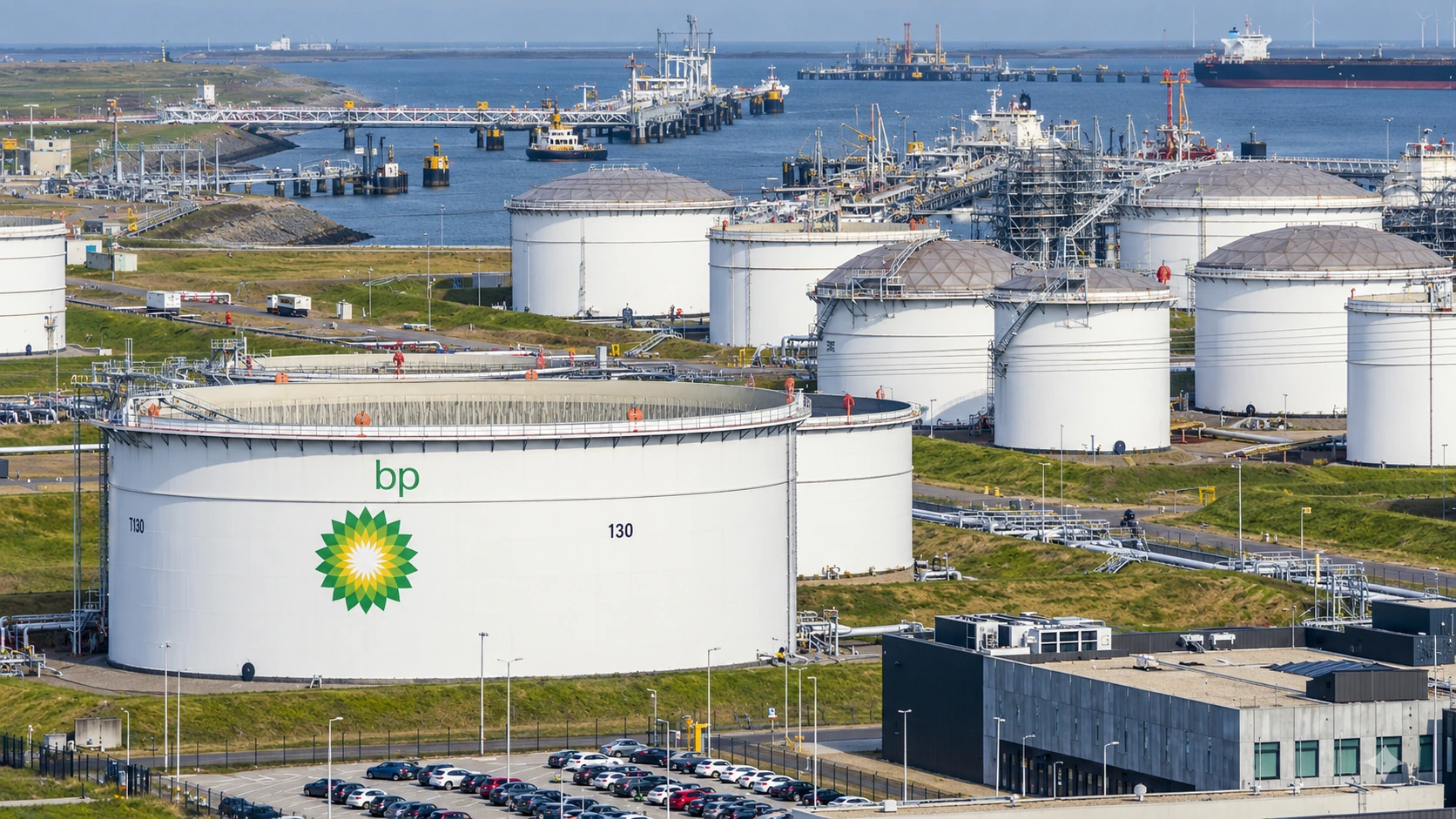
BP’s quarterly profit surged as the oil major reduced net debt and turned its attention to remaining Deepwater Horizon liabilities. The results Friday put capital allocation at the center of the investment story: a stronger quarter can improve the balance sheet without making all the cash available for shareholders.
Underlying replacement-cost profit reached $8.46 billion, compared with $2.21 billion a year earlier and an analyst consensus of $7.33 billion, according to the Wall Street Journal. BP’s results show net debt fell to $13.9 billion from $22.3 billion in the previous quarter, with the expected Castrol sale still to close.
BP attributed stronger underlying earnings to higher realized refining margins and energy prices, alongside improved trading. Refining availability rose to 96.5% from 94.7% in the previous quarter. That combines a favorable operating environment with a company-specific performance improvement; neither factor alone explains every movement in the accounts.
The gap above the profit consensus was approximately 15%, calculated from those figures. That is a meaningful comparison with expectations, but it does not establish how much the shares should rise. As TTN’s guide to earnings surprises explains, investors also assess recurring performance, adjustments and what management intends to do with the resources generated.
Operating cash must cover competing uses
BP generated $14.8 billion in operating cash flow, Reuters reported. Chief Executive Meg O’Neill said the company had reached its 2027 net-debt target a year early. BP plans to use excess cash flow to address its remaining Deepwater Horizon liabilities in full; associated payables and provisions stood at $5.94 billion, according to Reuters.
Those are different financial measures. Operating cash flow describes cash generated through operations before investment spending. A liability is an obligation recorded on the balance sheet. A plan to direct future surplus toward that obligation is a capital-allocation decision, rather than evidence that the entire amount has already been paid.
The distinction affects how readers interpret the apparently large cash total. Businesses still need to fund capital investment and other commitments. Free cash flow is useful precisely because operating receipts alone do not show what remains after investment. Treating the operating cash figure as an immediately distributable pool would skip that part of the accounts.
The debt reduction was substantially signaled
BP had already guided investors toward quarter-end net debt of $13.5 billion to $14.5 billion in an October 13 trading update filed with the Securities and Exchange Commission. The reported $13.9 billion falls within that range. The improvement from the preceding quarter is substantial, but its broad size was anticipated before Friday’s results.
That filing also explains an important boundary around the debt number. BP defines net debt using finance debt and related hedge adjustments, less cash and cash equivalents. It is a company-defined financial measure, not a total of every obligation. A lower net-debt balance can therefore coexist with substantial provisions and future payments elsewhere in the accounts.
Friday’s results put profit attributable to BP shareholders at $4.7 billion, below the underlying figure. The company recorded $4 billion in impairments linked largely to transition businesses. Underlying replacement-cost profit adjusts for inventory effects and other items, which is why the $8.46 billion headline should not be presented as statutory net income.
An impairment and a cash payment also answer different questions. Reducing the recorded value of an asset changes accounting profit and the balance sheet; it does not necessarily mean an equal amount left the bank during the quarter. Conversely, settling an existing obligation can consume cash without representing a newly incurred operating expense of the same size.
A legacy obligation still shapes today’s choices
Deepwater Horizon refers to the 2010 Gulf oil spill and the legal and environmental obligations that followed. In 2015, the US Justice Department announced a $20.8 billion settlement covering federal and state civil claims, including Clean Water Act penalties, natural-resource damages and economic damages. The arrangements involved payments over time rather than one immediate transfer.
That historical total is not a shortcut for calculating today’s remaining bill. It covered several categories and payment arrangements, while BP’s current accounts reflect subsequent payments and accounting estimates. Subtracting one number from another without reconciling their scope would create a misleading estimate of what the company has paid or still owes.
Addressing the remaining financial liabilities would reduce a long-running claim on future cash. It would not, by itself, establish that every environmental consequence has disappeared. For shareholders, the relevant comparison is how a settlement payment changes future obligations and funding flexibility, alongside the cash needed to maintain the operating business.
Friday’s report therefore combines a strong earnings outcome with a more specific allocation question. BP has reduced the debt measure it targeted, while a material legacy obligation remains. The next financial disclosures will show how operating cash, investment and payments against that obligation develop. Those movements will clarify how much of the latest quarter’s strength translates into lasting flexibility.
Sources and methodology
Sources checked October 30, 2026. Official decisions, company statements and reported findings are attributed in the text. Financial and operational implications are TTN editorial analysis.
- BP official third-quarter results, October 30, distributed through RNS: accounts, operating performance, impairments and allocation priorities
- Wall Street Journal, October 30: underlying profit and analyst consensus
- Reuters, October 30: operating cash flow, debt target and remaining Deepwater Horizon liabilities
- BP October 13 trading update filed with the SEC: prior debt guidance, adjustments and metric definitions
- US Justice Department, October 5, 2015: historical Deepwater Horizon civil settlement