Lagarde Will Leave the ECB Early, Opening a Leadership Contest
Christine Lagarde will step down before her term ends. Europe must choose a successor while monetary policy remains a collective decision.
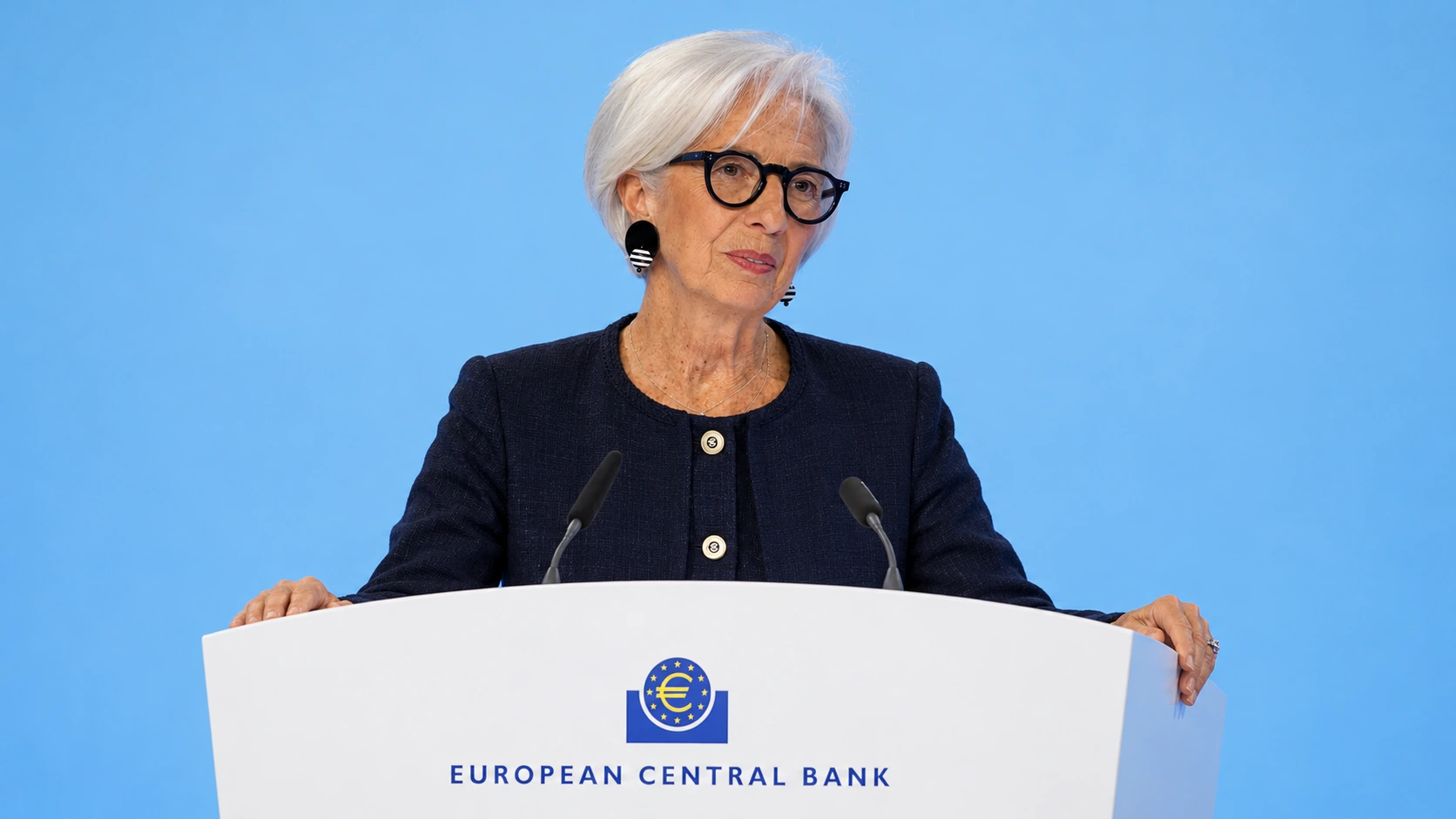
Christine Lagarde will step down as president of the European Central Bank on February 7, 2027, the institution announced Thursday, opening an early contest for one of the world's most influential economic posts. Her departure will come before the scheduled end of her eight-year term in October 2027 and require euro area leaders to agree on a successor.
The ECB said Lagarde had informed its Governing Council and European Council President António Costa. The announcement establishes a departure date and the start of a succession process. It does not name a replacement, announce a new interest-rate decision or say that Lagarde has already left office. Those distinctions matter for readers assessing what changes immediately and what remains ahead.
Europe’s leaders choose the next president
The European Council, comprising national leaders, makes the final appointment. Under the process described by the Council's official guidance, euro area governments propose candidates, the Eurogroup discusses a choice, and the Council of the European Union adopts a recommendation. The European Parliament and the ECB's Governing Council are consulted before the European Council takes its appointing decision.
The role carries an eight-year, nonrenewable term. Candidates must be nationals of euro area countries and have recognized standing and professional experience in monetary or banking matters. This is an intergovernmental appointment with formal consultation, rather than an internal promotion decided solely by the outgoing president or a direct election by financial markets.
Reuters identified former Dutch central bank governor Klaas Knot and former Spanish central bank governor Pablo Hernández de Cos as leading potential successors. Those names remain reported contenders. Neither the ECB's departure statement nor the appointment rules make either man the designated next president. A recommendation, parliamentary opinion and final appointment are separate stages, and should be reported as such.
The presidency matters, but policy has more than one voter
The ECB's own description assigns monetary-policy decisions to the Governing Council. It brings together the six Executive Board members and the governors of the euro area's national central banks. The body sets key interest rates and determines the policy framework; it is not an advisory committee to a president who can unilaterally choose borrowing costs.
The president nevertheless has a central public role. Monetary-policy decisions are explained at regular press conferences chaired by the president with the vice-president. A change in leadership can influence how disagreements are organized and how the institution communicates its assessment of inflation, growth and financial conditions. It does not by itself replace the Governing Council's responsibilities or establish the direction of its next vote.
That makes succession analysis different from a straightforward prediction of lower or higher rates. A candidate's record may help investors interpret future decisions, but economic data and the views of other policymakers remain essential. TTN's guide to central-bank policy divergence explains why differences in inflation and economic conditions can produce different rate paths even without a leadership change.
An earlier departure changes the political calendar
Lagarde has held the presidency since November 2019. The Associated Press reported that the early exit gives European leaders room to choose a successor before France's presidential election next year, while President Emmanuel Macron is still in office. It also reported Costa's intention to start the appointment process immediately. That political context helps explain the timing of negotiations without establishing who will win them.
The ECB's brief announcement does not offer a detailed personal explanation for the resignation. Speculation about Lagarde's next job should therefore remain separate from the confirmed departure. A potential destination is not a job appointment, just as a politician's preferred candidate is not a completed central-bank succession.
For U.S. readers, the transition matters through European borrowing costs, international bond markets and the EUR/USD exchange rate. A reassessment of the expected path of rates can change relative returns on euro and dollar assets. Our explanation of interest-rate differences and the euro describes that channel; the resignation alone supplies no reliable forecast of the currency's direction.
The next concrete milestones are the proposed candidates, the Council's recommendation and the eventual appointing decision. Until those occur, the confirmed development is a scheduled leadership transition with an earlier deadline. Assessing its policy consequences requires the eventual choice and the economic conditions that the next president will inherit.
Sources and methodology
Sources checked October 29, 2026. Official decisions, company statements and reported findings are attributed in the text. Financial and operational implications are TTN editorial analysis.
- ECB, October 29: official departure announcement; English text
- Council of the European Union: appointment procedure, eligibility and term
- ECB: Governing Council responsibilities and decision-making
- Reuters, October 29: succession contenders and timing
- Associated Press, October 29: political calendar and start of the selection process