Meta Faces UK Competition Probe Over Website-Crawling Terms
The CMA is examining whether Meta’s business terms unfairly limit publishers’ control over their content. The proposed changes remain on hold.
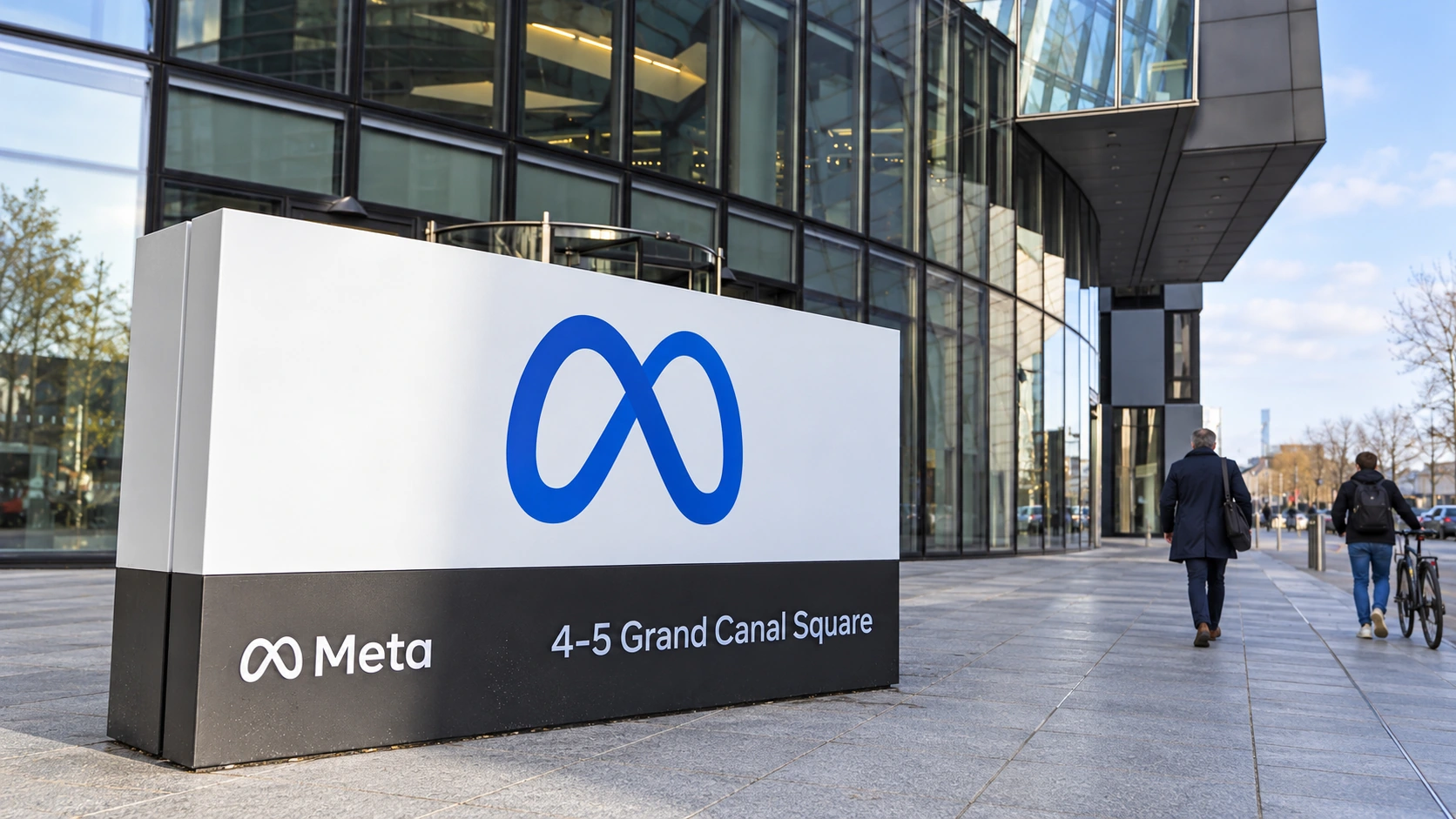
Britain’s competition regulator opened an investigation Friday into Meta’s commercial terms for publishers and advertisers, escalating a dispute over access to material on their own websites. The case concerns the conditions businesses face when using a powerful distribution and advertising platform, with potential consequences for how journalism and other content are licensed for new services.
The Competition and Markets Authority will examine whether Meta has a dominant position in a relevant UK market and whether its terms abuse that position, Reuters reported. The regulator is concerned that businesses could lose control over whether and how website content is collected for Meta’s products. Opening the investigation establishes a review, rather than a finding of unlawful conduct.
The proposed changes remain on hold. They were initially scheduled for October 30, then postponed to November 20. Meta subsequently said consultation could extend beyond that date and that existing terms would remain in place in the meantime. Treating November 20 as an unconditional launch date would overlook that later qualification.
The commercial issue extends beyond a shared link
Publishers routinely use social accounts to distribute headlines, previews and links while keeping their complete articles on their own websites. The dispute turns on whether maintaining that commercial relationship can also carry broader permission to collect material from the associated site. That is a different economic transaction from showing the specific material a publisher chooses to post.
In its October 22 letter, the World Association of News Publishers, WAN-IFRA, asked Meta to suspend the crawling provision and negotiate with the industry. Its requests included a binding recognition of machine-readable reservations of rights, protection for paywalls and access controls, and the ability to decline additional uses without losing access to business tools.
Those are the publishers’ requested safeguards, rather than rules already imposed by the CMA. They identify the practical choices under dispute: what can be collected, which uses require a license, and whether refusing permission affects distribution. The financial value of those choices depends on the publisher’s audience, subscription model and reliance on advertising or referrals.
Meta has promised consultation
On October 28, Meta communications executive Andy Stone said the company intended to complete a full consultation with industry groups and leaders before implementing the update, Nieman Lab reported. He said that process could require another delay. Reuters reported no immediate response from Meta to Friday’s investigation announcement; the earlier consultation statement remains relevant context for its position.
Meta has also said website owners can communicate crawler preferences through robots.txt. Nieman Lab’s October 26 reporting noted a gap between that assurance and the proposed contractual language, which did not expressly include the protection. The distinction concerns the relationship between a technical instruction and an agreement governing commercial use of a service.
Robots.txt can tell a cooperating crawler which resources a website wants it to avoid. A contract can define the permissions and obligations between the parties. A business assessing control needs to understand both: whether the crawler respects the instruction and whether the contractual terms preserve the intended limits on collection and subsequent use.
Revised language did not end the dispute
Meta previously removed the word referring to model training and narrowed the stated purposes to advertising and business products, Nieman Lab reported. TTN covered that earlier wording change. Friday’s investigation is a separate development: the competition authority is now examining the relationship between the terms and Meta’s market position.
That focus differs from a technical finding that a particular crawler accessed a particular article. The review asks whether the trading conditions themselves unfairly constrain businesses. Evidence about the scope of the terms, realistic alternatives to the platform and the consequences of refusing them will therefore matter alongside any questions about actual automated collection.
For a publisher, the distribution relationship can have value even when additional reuse needs a separate agreement. An archive requires ongoing spending on reporting, editing, photography and maintenance. Permissions covering that archive can affect future licensing opportunities. The central commercial question is whether the publisher can negotiate those permissions independently while continuing to reach its existing audience.
The next evidence is contractual
TTN’s analysis of publisher economics in AI search explains a related tension between the value of content and the traffic returned to its creator. The Meta investigation concerns a distinct platform and set of terms, but similarly puts the bargaining relationship between distribution services and content businesses under scrutiny.
The coming steps will show whether consultation produces revised wording, enforceable safeguards or further regulatory action. A consultation promise offers a process; a final agreement determines the permissions businesses actually accept. For now, the confirmed change is the opening of a UK competition investigation while implementation remains paused. Its outcome, timing and any financial consequences have yet to be established.
Sources and methodology
Sources checked October 30, 2026. Official decisions, company statements and reported findings are attributed in the text. Financial and operational implications are TTN editorial analysis.
- Reuters, October 30 at 11:15 UTC: CMA investigation, scope, implementation status and immediate response
- WAN-IFRA, October 22, updated October 23: publishers’ letter and requested safeguards
- Nieman Lab, October 28: attributed Meta consultation statement and existing terms
- Nieman Lab, October 26: wording revisions, crawler preferences and contractual protections