Autonomous Flight Developer Reliable Robotics Secures $115 Million
Reliable Robotics secured $115 million, including a $25 million loan, to expand aircraft automation while pursuing FAA certification.
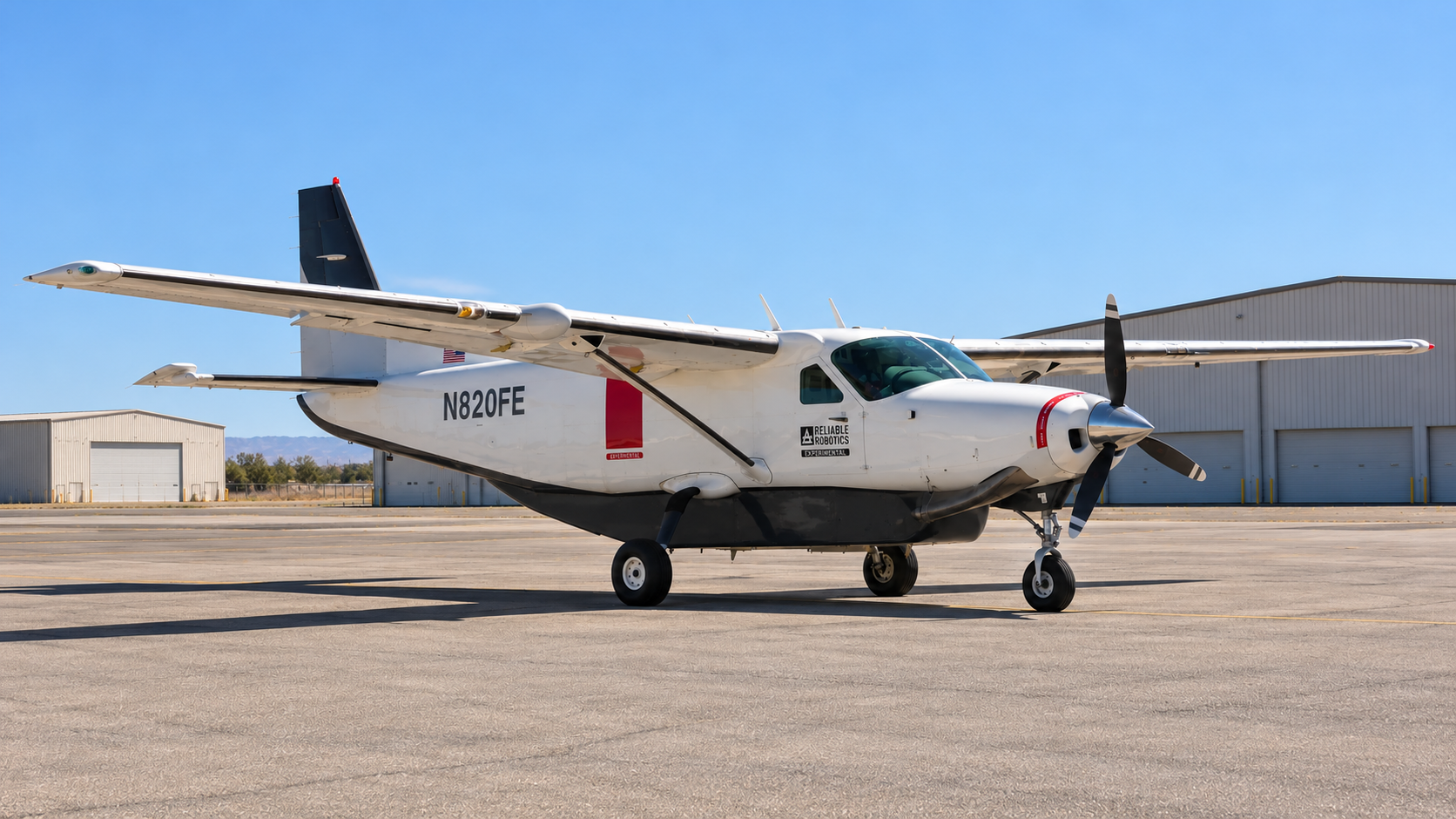
Reliable Robotics secured $115 million in additional financing to expand its aircraft automation business, taking its valuation above $1 billion. The company said Tuesday that the money increases its Series D financing to $275 million and will support aircraft, production facilities and engineering recruitment.
The new financing includes a $25 million term loan from Silicon Valley Bank. TechCrunch reported that the remaining $90 million is equity funding. The distinction matters: the headline total combines capital raised from investors with money the company borrows.
Automation for existing aircraft
Reliable is developing the Reliable Autonomy System for automated aircraft operations, including taxiing, takeoff and landing. Its commercial FAA certification work is focused on the Cessna 208B Grand Caravan, according to the company’s announcement.
Using an existing aircraft concentrates the project on integrating and approving the automation rather than creating a new airframe. That can give operators a more familiar starting point, but the safety case still has to demonstrate that the system behaves reliably across the conditions for which approval is sought.
Funding and certification are different milestones
Reliable said the FAA has accepted its certification plan and means of compliance for continuous autopilot engagement. The announcement describes progress in the certification process; it does not say that the full commercial autonomous system has received final FAA approval.
For an aviation business, that difference affects both timing and economics. Engineering work, testing and production preparation can consume capital before broad commercial deployment produces revenue. A financing extension supports that work, while the regulator’s decisions determine which operations can proceed under the relevant approvals.
Where aircraft approval meets the operating business
The FAA's design-approval framework distinguishes approval of an aircraft design from approvals for changes and equipment. For a system installed in an existing aircraft, the regulatory question is therefore more specific than whether autonomous aviation is generally possible. The approved configuration, operating limitations and evidence supporting the modification matter. Acceptance of a plan describes how compliance will be demonstrated; it is not interchangeable with a final authorization to operate every proposed service.
Reliable's announcement says its selection for an FAA integration pilot program permits pre-certification cargo operations serving communities in New Mexico and Colorado. Such activity can provide operational experience, but a pilot program and a broad commercial certification serve different purposes. The company also describes military work. Military airworthiness reviews should not be presented as substitutes for the civil approvals sought for commercial customers.
The economics extend beyond removing tasks from a cockpit. An operator still needs an aircraft, maintenance, insurance, dispatch arrangements and a way to handle disruptions. Automation could change some staffing or utilization assumptions, but the announcement does not supply enough information to calculate a system-wide cost saving. Cargo loads, route frequency and the cost of keeping aircraft available would all affect that comparison.
The equity-and-debt split also matters when judging development capacity. Money earmarked for engineering may be spent well before aircraft generate recurring operating revenue. A term loan introduces contractual payments into that schedule. Without disclosed maturity, interest, covenants and cash balances, dividing the headline funding by an assumed monthly spending rate would produce a speculative runway estimate.
The company says the financing will support additional aircraft, production facilities and engineering recruitment. Those uses connect the funding to the work needed before wider deployment. They do not identify how many aircraft will ultimately be installed, the price customers will pay or when a particular route will become profitable. Those commercial terms remain separate milestones to establish as the approval process advances.
What investors and operators need next
The company’s valuation crossing $1 billion is a financing milestone, not a measure of aircraft utilization or operating profit. The more consequential commercial evidence will be approved capabilities, implementation costs and an operating record showing how the equipment performs in service.
Debt also changes the financing picture. A loan can add resources without the same immediate ownership dilution as new equity, but it creates repayment obligations. The announcement does not disclose enough loan terms to calculate the company’s debt-service burden or cash runway.
Sources and methodology
Sources checked October 20, 2026. Reported facts and company expectations are attributed above; analytical explanations are TTN’s interpretation. Cover composition is illustrative; reported facts are checked against the linked sources.