Chip-Equipment Maker Tokyo Electron Forecasts an 87% Annual Profit Jump
Tokyo Electron’s new full-year forecast targets ¥1.169 trillion in operating profit, even as investors question returns on AI spending.
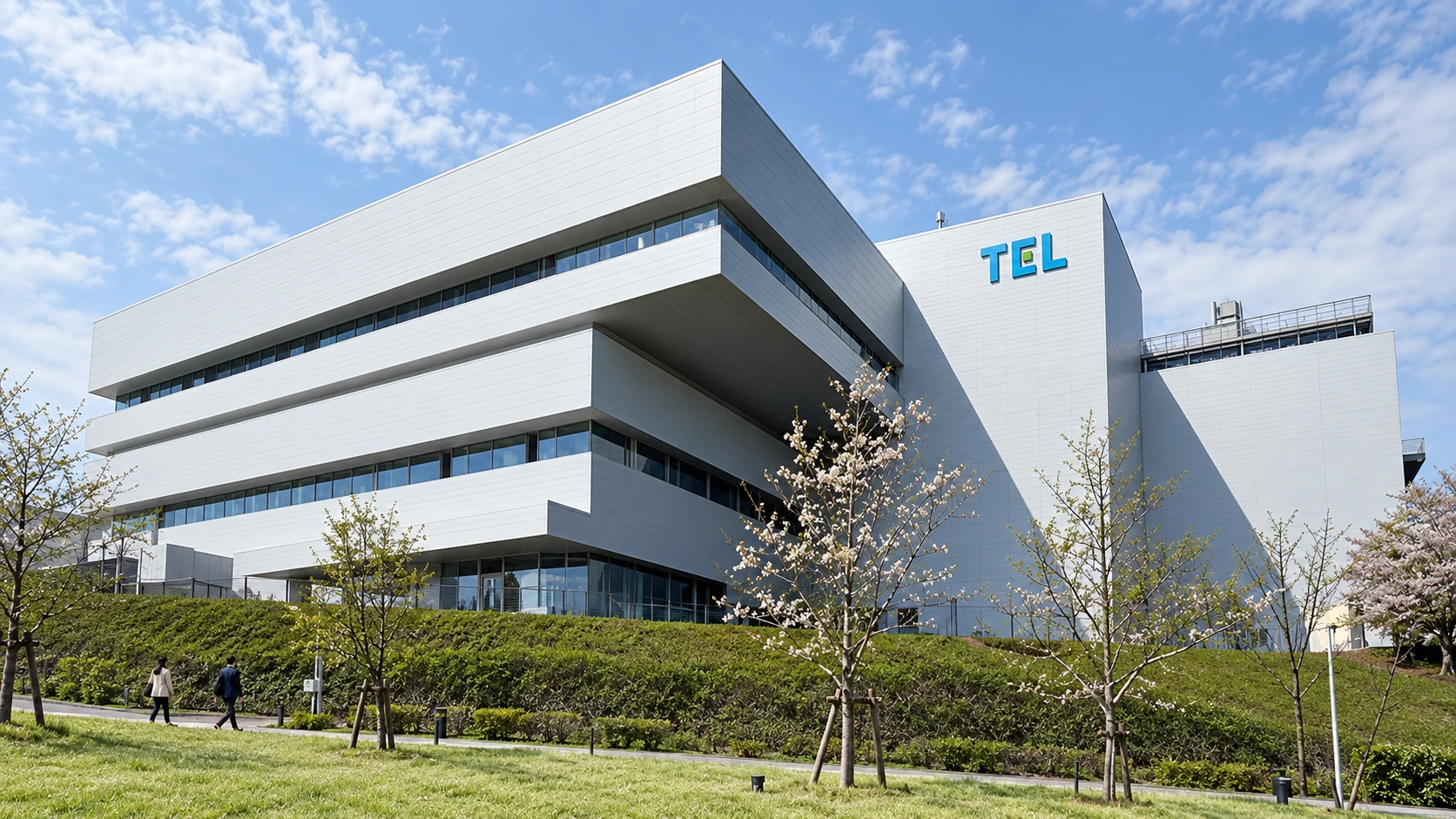
Tokyo Electron forecast an 87.1% increase in annual operating profit Friday, offering a strong sales outlook from a company that supplies the equipment used to manufacture semiconductors. Its forecast contrasts with the concern unsettling technology markets: heavy investment in artificial intelligence does not automatically produce attractive returns for the businesses buying that capacity.
The Japanese supplier projects operating profit of ¥1.169 trillion on revenue of ¥3.7 trillion for the fiscal year ending March 31, 2027. Forecast revenue growth is 51.4%. The company had previously left its full-year outlook undetermined, so this is a newly announced annual forecast, rather than an increase from an earlier full-year target.
That distinction matters when assessing the announcement. A company can outperform an existing half-year estimate while issuing its first full-year forecast. Calling both developments a guidance upgrade would obscure what investors actually knew before the release. The fiscal-year label also should not be mistaken for a forecast covering the January-to-December 2027 calendar year.
The equipment supplier sits upstream from AI revenue
Tokyo Electron supplies semiconductor-production equipment, rather than selling the finished chips used in computers. Its tools help chipmakers carry out manufacturing processes. Strong demand at this stage can indicate customers are investing in production capability, but it does not measure how much revenue a cloud provider ultimately earns from an AI service.
This position in the investment chain helps explain why supplier results and customer concerns can coexist. Equipment manufacturers can recognize sales while the companies funding large projects are still building facilities, installing capacity or finding paying users. The timing and economics of those businesses differ even when they participate in the same expansion.
TTN’s analysis of AI capital spending examines the distinction between building infrastructure and earning an adequate return on it. Tokyo Electron’s outlook provides evidence about the upstream equipment business. It cannot, on its own, settle the separate debate over the profitability of every data center or application using that infrastructure.
The latest quarter shows operating leverage
In the July-to-September quarter, sales reached ¥935 billion, up 48.4% from a year earlier and 27.7% from the preceding quarter, according to the company’s results presentation. Operating income rose 86.4% year over year to ¥295.3 billion. The operating margin reached 31.6%, an increase of 6.5 percentage points from the year-earlier period.
Profit growing faster than sales is evidence of operating leverage in the reported period. It means the business retained a larger portion of each revenue yen after operating expenses. It does not establish that every additional sale carried the same margin or identify one cost saving as the sole explanation for the improvement.
The distinction between percentages and percentage points is material here. A margin measures profit as a share of revenue. A 6.5-point increase describes the change in that ratio; it is not the same as saying the margin increased by 6.5%. The reported quarterly figures point to a substantial change in profitability, alongside the higher sales base.
Half-year results and the remaining delivery task
For the six months ended September 30, Tokyo Electron reported sales of ¥1.667 trillion and operating income of ¥506.8 billion. Revenue exceeded its previous half-year forecast by 2.9%, while operating income was 10.6% above that estimate. These completed results provide a firmer reference point than treating the entire annual projection as already earned.
Subtracting those six-month results from the new full-year forecast implies approximately ¥2.033 trillion in sales and ¥662 billion in operating profit for the second half. These are TTN calculations using the published figures, not an additional quarterly forecast from management. They illustrate the scale of business still required to meet the annual target.
The implied second-half sales total is about 22% larger than the first half’s. That makes the remaining delivery schedule important. A strong first-half outcome supports the company’s outlook, but fulfilling the annual target still depends on sales and profitability over the following six months. The forecast should remain clearly separated from actual results.
Strong suppliers do not resolve every customer concern
The announcement follows a broader market selloff centered partly on AI spending and cash generation. Friday’s forecast adds a company-specific counterpoint to that concern. It shows substantial expected equipment demand while leaving the eventual returns earned farther down the investment chain open to examination.
The next useful comparison will be whether subsequent results deliver the sales and margins implied by the annual plan. Tokyo Electron has supplied a concrete financial benchmark, backed by a profitable first half. For investors assessing the AI investment cycle, that is valuable evidence about one stage of production, with a different set of customers, costs and timing from the services ultimately sold to end users.
Sources and methodology
Sources checked October 30, 2026. Official decisions, company statements and reported findings are attributed in the text. Financial and operational implications are TTN editorial analysis.
- Tokyo Electron official FY2027 second-quarter financial summary, October 30: first-half actuals, new full-year forecast and stock split
- Tokyo Electron official FY2027 second-quarter presentation: quarterly revenue, profit and margins
- Reuters, October 30 at 08:15 UTC: new profit outlook amid concerns about AI investment returns